The Glenshire Paradox: Why the “Banana Belt” Still Battles Ice Dams
Glenshire residents love their community’s reputation as Truckee’s “banana belt”—a pocket of lower snowfall nestled in the Sierra foothills where families can enjoy year-round outdoor activities. However, this unique microclimate creates the perfect conditions for a silent destroyer that threatens homes throughout the neighborhood: ice dams. The same temperature fluctuations that make Glenshire more temperate than downtown Truckee also create the freeze-thaw cycles that turn innocent snow into roof-damaging ice formations.
Mills Roofing has served the Glenshire community for over 45 years, witnessing how these deceptive ice formations can cause thousands of dollars in damage to unsuspecting homeowners. Despite receiving less total snowfall than other Truckee neighborhoods, Glenshire’s homes face unique ice dam challenges due to their elevation, roof designs, and the area’s characteristic temperature swings. Understanding why ice dams form specifically in Glenshire’s environment is the first step toward defeating them permanently.
The Science Behind Glenshire’s Ice Dam Formation
Ice dams develop when heat escapes from your home’s interior, warming the roof surface and melting snow from underneath. This melted water flows down toward the gutters where it encounters the colder roof edges and refreezes, creating a barrier that traps subsequent meltwater behind it. In Glenshire’s climate, this process accelerates during sunny winter days when solar radiation combines with interior heat loss to create rapid snow melting.
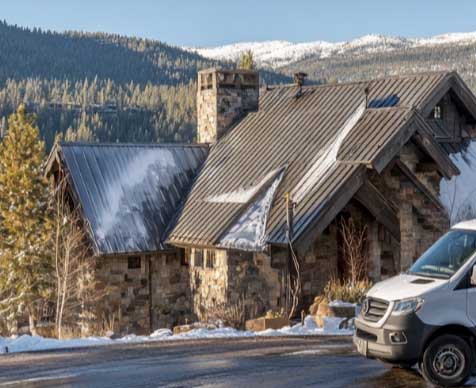
The rolling terrain and mountain views that make Glenshire so appealing also contribute to ice dam formation through varying roof exposures and wind patterns. South-facing roof sections receive intense solar heating during winter days, while north-facing areas remain cold, creating the temperature differentials that fuel ice dam growth. Mills Roofing has observed that Glenshire homes with complex rooflines, multiple levels, and large windows are particularly susceptible to these temperature-driven ice formations.
The Hidden Damage: Why Ice Dams Are More Destructive Than They Appear
Most Glenshire homeowners underestimate ice dam damage because the visible signs—icicles and ice formations—seem merely cosmetic. The real destruction occurs when trapped water finds its way under shingles, into attic spaces, and through exterior walls, causing structural damage that can cost tens of thousands to repair. Wet insulation loses its effectiveness, creating ongoing energy efficiency problems that compound the initial damage.
Mills Roofing has responded to emergency calls where Glenshire ice dams caused ceiling collapses, destroyed hardwood floors, and created mold problems that required extensive remediation. The insidious nature of ice dam damage means problems often go undetected until spring, when homeowners discover water stains, rotted framing, and damaged electrical systems. Prevention costs a fraction of repair expenses, making proactive ice dam solutions one of the smartest investments Glenshire homeowners can make.
Professional Solutions: Heat Cables vs. Permanent Prevention
Heat cables represent the most common ice dam “solution” installed throughout Glenshire, but they address symptoms rather than causes while adding ongoing energy costs. Self-regulating heat cables cost $1,000-$2,500 to install professionally and require annual maintenance, electricity consumption, and eventual replacement. While effective at creating drainage channels, heat cables don’t prevent ice dams from forming—they simply manage the consequences.
Permanent ice dam prevention focuses on controlling heat loss through comprehensive air sealing and insulation upgrades. Mills Roofing partners with certified energy auditors to identify heat loss sources using thermal imaging and blower door testing, then implements targeted solutions that eliminate the root causes of ice dam formation. Professional air sealing of attic bypasses, recessed lights, and penetrations combined with adequate insulation creates uniform roof temperatures that prevent ice dams naturally.
The Insulation and Ventilation Strategy That Actually Works
Effective ice dam prevention requires a balanced approach to insulation and ventilation that maintains consistent roof surface temperatures throughout winter. Adding insulation without proper air sealing wastes money and provides minimal ice dam protection, while inadequate insulation allows continued heat loss regardless of ventilation improvements. The key lies in creating a complete thermal barrier between your heated living space and the roof surface.
Mills Roofing recommends R-49 to R-60 insulation levels for Glenshire homes, combined with comprehensive air sealing that eliminates thermal bypasses. Proper ridge and soffit ventilation maintains uniform roof temperatures by removing any residual heat that escapes despite insulation and air sealing efforts. This integrated approach eliminates ice dams permanently while reducing heating costs and improving indoor comfort throughout Glenshire’s variable winter climate.
Emergency Response: When Ice Dams Attack Your Glenshire Home
Despite prevention efforts, severe weather events can overwhelm even well-prepared roofs, requiring immediate professional intervention. Steam removal provides the safest ice dam elimination method, using specialized equipment that melts ice without damaging shingles, gutters, or roof membranes. DIY removal attempts with hammers, heat guns, or pressure washers typically cause more damage than the original ice dams.
Mills Roofing maintains emergency response capabilities for Glenshire homeowners facing active ice dam damage, providing 24/7 service during severe weather events. Their steam removal equipment eliminates ice dams quickly while protecting roof integrity, followed by temporary repairs that prevent further water intrusion until permanent solutions can be implemented. Professional emergency response minimizes damage and prevents small problems from escalating into major structural issues.
The Investment That Pays for Itself: Cost Analysis of Prevention
Comprehensive ice dam prevention through insulation upgrades and air sealing typically costs $3,000-$8,000 for average Glenshire homes, depending on accessibility and existing conditions. This investment pays for itself through eliminated ice dam damage, reduced heating costs, and improved home comfort while increasing property values. Compared to emergency ice dam removal, temporary repairs, and ongoing heat cable expenses, prevention provides superior long-term value.
Energy savings alone often justify prevention costs within 5-10 years, with additional benefits including enhanced comfort, reduced ice dam insurance claims, and elimination of annual roof damage risks. Mills Roofing helps Glenshire homeowners understand the complete financial picture, showing how prevention investments provide decades of protection while reducing ongoing maintenance expenses. Smart prevention today eliminates costly emergencies tomorrow.
Your Action Plan: Protecting Your Glenshire Home This Winter
Start your ice dam prevention strategy with a professional energy audit that identifies specific heat loss sources in your home’s thermal envelope. Schedule air sealing and insulation work during mild weather when crews can work efficiently in attic spaces and accessibility isn’t compromised by snow accumulation. Address high-priority thermal bypasses first, such as recessed lights, attic hatches, and penetrations that contribute most significantly to heat loss.
Mills Roofing recommends beginning prevention work in late summer or early fall, allowing time for comprehensive improvements before winter weather arrives. Their systematic approach addresses ice dam causes rather than symptoms, providing permanent solutions that protect Glenshire homes for decades. Professional implementation ensures optimal results while maintaining manufacturer warranties and building code compliance throughout the process.