When you’re facing a roof replacement, the asphalt versus metal decision feels huge—because it is. You’re choosing what protects your home for the next 20, 30, maybe 50 years. You’re making a financial decision that impacts your budget today and your home’s value tomorrow. And you’re doing it in Reno’s unique climate where we get scorching summer sun, freezing winter temperatures, occasional heavy snow, high winds, and dramatic temperature swings that stress roofing materials in ways that more moderate climates never experience.
Here’s the truth from three decades of roofing in Northern Nevada: both asphalt shingles and metal roofing can be excellent choices. Neither is universally “better”—the right answer depends on your priorities, budget, home style, and how long you plan to stay in the house. Let’s break down the real differences, cut through the marketing hype from both sides, and give you the information you need to make the right choice for your specific situation.
Lifespan: The Bottom Line
This is usually the first question, and it’s where metal roofing has a clear advantage:
Asphalt shingles: 20-30 years in Reno’s climate with quality materials and proper installation. Basic 3-tab shingles might only last 15-20 years. Premium architectural shingles can reach 25-30 years. Factors that shorten lifespan include poor ventilation, inadequate maintenance, and harsh weather exposure.
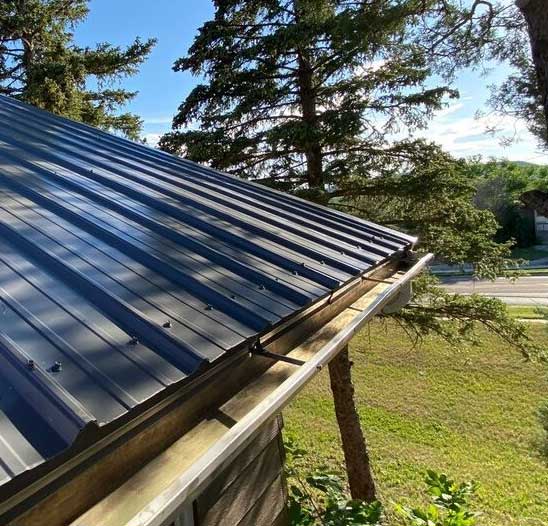
Metal roofing: 40-70 years depending on material and coating quality. Steel roofing typically lasts 40-50 years. Aluminum, copper, and zinc can exceed 50-70 years. Metal doesn’t degrade the way organic materials do—it doesn’t rot, split, or lose granules. Properly installed and maintained metal roofing often outlasts the structure it’s protecting.
So yes, metal lasts roughly twice as long as asphalt. But that doesn’t automatically make it the better choice—lifespan is only one factor in the equation.
Initial Cost: The Sticker Shock
Here’s where asphalt shingles win decisively:
Asphalt shingles: $3.50-$5.50 per square foot installed for quality architectural shingles in Reno (as of 2025). For a typical 2,000 square foot roof, that’s $7,000-$11,000 total. Premium designer shingles with enhanced warranties run $5-$7 per square foot.
Metal roofing: $7-$12 per square foot installed for steel panels. $10-$16 per square foot for aluminum or specialty products. Standing seam metal (the highest quality option) runs $12-$18 per square foot. That same 2,000 square foot roof costs $14,000-$36,000 depending on materials and complexity.
Metal roofing costs 2-3 times more upfront than asphalt. That’s real money that matters to most homeowners. If your budget is $10,000 and metal costs $25,000, the decision is made for you regardless of metal’s longer lifespan. You can’t buy what you can’t afford.
Cost Per Year: Different Math
When you factor in lifespan, the cost comparison changes:
Asphalt example: $10,000 installation ÷ 25 years = $400 per year
Metal example: $22,000 installation ÷ 50 years = $440 per year
Suddenly the annual cost is nearly identical. This is the argument metal roofing advocates make: yes, it costs more upfront, but spread over its lifespan, it’s comparable or even cheaper than replacing asphalt shingles twice.
But this math only works if:
- You stay in the house long enough to realize the lifespan benefit (if you sell in 10 years, you paid for 50 years of roof but only used 10)
- The metal roof actually lasts 50 years without major repairs or replacement
- You’re comparing to multiple asphalt replacements rather than one
For homeowners planning to stay long-term (15+ years), metal’s cost-per-year advantage is real. For homeowners who might move in 5-10 years, paying double upfront for longevity you won’t benefit from doesn’t make financial sense.
Performance in Reno’s Climate
Northern Nevada’s climate creates specific challenges. How do the materials compare?
Heat resistance:
- Asphalt: Dark shingles absorb heat, increasing cooling costs. Light-colored or reflective shingles help but still retain significant heat. Attic temperatures can exceed 150°F with dark asphalt shingles.
- Metal: Reflects more solar radiation, especially with reflective coatings. Can reduce cooling costs by 10-25%. Metal stays significantly cooler than asphalt in direct sun.
- Winner: Metal, especially for homes with air conditioning
Cold weather performance:
- Asphalt: Becomes brittle in extreme cold but performs adequately. Temperature cycling (freeze-thaw) gradually degrades materials.
- Metal: Unaffected by cold. No brittleness issues. However, snow tends to slide off suddenly in large sheets, which can be dangerous near doorways or walkways.
- Winner: Tie—both work fine, with different considerations
Wind resistance:
- Asphalt: Individual shingles can blow off in high winds, especially as the roof ages and sealant strips weaken. Reno’s downslope winds can exceed 60 mph.
- Metal: Panels are secured directly to roof deck with minimal wind vulnerability. Standing seam metal has no exposed fasteners—essentially nothing for wind to grab.
- Winner: Metal by a significant margin
Hail resistance:
- Asphalt: Hail damages shingles, creating bruises that may not be immediately visible but shorten lifespan. Severe hail can puncture shingles.
- Metal: Dent-resistant but not dent-proof. Large hail (1+ inch) will dent metal roofing, though it usually doesn’t compromise weatherproofing. Dents are cosmetic on most metal roofs but permanent.
- Winner: Neither is perfect; metal is more structurally resilient but shows cosmetic damage
Fire resistance:
- Asphalt: Class A fire rating (best) when installed over proper underlayment. Won’t ignite from embers or radiant heat.
- Metal: Class A fire rating. Completely non-combustible. Provides maximum protection in wildfire-prone areas.
- Winner: Metal, especially important in foothill areas near wildland interfaces
UV degradation:
- Asphalt: UV exposure gradually breaks down shingle materials, causing granule loss and brittleness. Reno’s high elevation means intense UV exposure.
- Metal: Coatings can fade over time but the metal itself is unaffected by UV. Modern coatings have 30+ year fade warranties.
- Winner: Metal
Maintenance Requirements
Asphalt shingles: Require periodic inspection, occasional shingle replacement, regular gutter cleaning, and monitoring for algae or moss growth. Minor repairs are straightforward and affordable. You should have professional inspections annually or after major storms.
Metal roofing: Requires less maintenance but isn’t maintenance-free. Fasteners and sealants need periodic inspection and replacement. Scratched or damaged coatings should be touched up to prevent rust (on steel). Accumulated debris in valleys should be cleared. Metal requires inspection every 2-3 years rather than annually.
Winner: Metal requires less frequent maintenance, but when maintenance is needed, it’s more specialized and potentially more expensive.
Aesthetic Considerations
This is subjective, but it matters:
Asphalt shingles: Traditional look that fits any architectural style. Huge variety of colors, textures, and styles available. Can mimic wood shakes, slate, or other premium materials. Nearly invisible variation between brands—an asphalt roof just looks like a roof.
Metal roofing: Distinctive appearance. Standing seam metal has a modern, contemporary look that works beautifully on certain home styles but clashes with others. Corrugated metal has an agricultural or industrial aesthetic. Stone-coated metal tiles can mimic traditional materials while providing metal’s benefits.
Some neighborhoods have HOA restrictions on roofing materials or colors. Some architectural styles (Victorian, craftsman, traditional ranch) look wrong with metal roofing. Modern, contemporary, or industrial-style homes often look stunning with metal. This isn’t a performance question—it’s about whether the roof fits your home’s character.
Winner: Depends entirely on your home and personal taste
Resale Value and Buyer Appeal
Asphalt shingles: Neutral impact on resale. Buyers expect them. A newer asphalt roof is a selling point; an older one is a concern. Because they’re standard, they don’t turn off potential buyers, but they don’t excite anyone either.
Metal roofing: Can increase home value, especially if the roof is relatively new and buyers understand the longevity benefit. Appeals strongly to buyers looking for low-maintenance, durable homes. However, can also turn off some buyers who don’t like the aesthetic or worry about noise (unfounded with proper installation, but the perception exists). In Reno’s market, metal roofing is generally a positive for resale, but not dramatically so.
Winner: Slight edge to metal for long-term value, neutral to slight positive for resale appeal
Installation Complexity and Contractor Availability
Asphalt shingles: Any competent roofing contractor can install them. Installation is straightforward, code requirements are well-established, and materials are standardized. This means competitive pricing and abundant contractor options.
Metal roofing: Requires specialized skills and equipment. Fewer contractors install metal competently, which can limit options and increase costs. Poor metal installation creates leak problems that are difficult and expensive to fix. However, Mills Roofing has extensive experience with both materials—our trained crews have been installing metal roofing throughout Northern Nevada for decades.
Winner: Asphalt for contractor availability; metal requires finding qualified installers
Noise Concerns: Myth vs. Reality
There’s a persistent belief that metal roofs are unbearably loud during rain or hail. This is largely myth—with proper installation:
Modern metal roofing installed over solid decking with adequate insulation and underlayment is no louder than asphalt during rain. The noise perception comes from metal roofing installed over open framing (like pole barns) with no sound dampening—a completely different scenario from residential installation.
Hail on metal is louder than hail on asphalt, but hail is loud on any roof. The difference isn’t dramatic in a properly insulated home.
If noise is a concern, discuss installation methods with your contractor. Proper underlayment and insulation virtually eliminate any noise differential.
Environmental Considerations
Asphalt shingles: Made from petroleum products and mineral granules. At end of life, most end up in landfills—about 11 million tons annually in the U.S. Recycling options exist but aren’t widely available. Manufacturing is energy-intensive. However, lighter weight means less structural load and transportation fuel.
Metal roofing: Often contains 25-95% recycled content depending on material. At end of life, 100% recyclable with significant scrap value—metal roofs rarely end up in landfills. Manufacturing is energy-intensive initially but lifespan means fewer replacements. Heavier weight increases structural requirements and transportation impacts.
Winner: Metal is significantly more sustainable over full lifecycle
Making the Right Choice for Your Situation
After analyzing all factors, here’s when each material makes the most sense:
Choose asphalt shingles if:
- Budget is primary concern and upfront costs matter more than long-term value
- You plan to sell within 10 years
- Your home’s architecture doesn’t suit metal aesthetically
- You want maximum contractor options and competitive pricing
- You prefer traditional appearance
- Your roof has complex geometry that would make metal installation extremely expensive
Choose metal roofing if:
- You’re planning to stay long-term (15+ years) and can realize the lifespan benefit
- Energy efficiency and cooling cost reduction matter significantly
- You’re in a high-wind or fire-prone area where metal’s durability provides real safety benefits
- Environmental sustainability is a priority
- Your home’s style suits metal aesthetically
- You value low-maintenance solutions
- You can afford the higher upfront investment
Consider seriously before choosing metal if:
- Budget is tight—metal’s benefits don’t help if you can’t afford the installation
- You’re unsure about staying long-term—you’re subsidizing the next owner’s roof
- You have a complex roof with many valleys, dormers, and penetrations—installation costs will be extremely high
- Local contractors with metal expertise are limited
What Mills Roofing Recommends
We install both asphalt and metal roofing, and we do it well—we’re not biased toward either material because we profit either way. Our recommendation is always based on your specific situation: your budget, your home, your plans, your priorities.
For most Reno homeowners planning to stay in their homes long-term, metal roofing makes excellent sense if the budget allows. The combination of longevity, energy efficiency, low maintenance, and performance in our climate creates real value. The upfront cost is significant but justified by decades of reliable performance.
For homeowners with budget constraints, shorter timelines, or homes where metal doesn’t fit aesthetically, quality asphalt shingles are an outstanding choice. Properly installed architectural shingles provide 25-30 years of reliable service at a reasonable cost. There’s no shame in choosing asphalt—it’s what’s on 80% of American homes for good reasons.
The key is making an informed decision based on your reality, not marketing hype from either side. Both materials work. Neither is perfect. Your specific priorities determine which is right for you.
Ready to discuss roofing options for your Reno home? Contact Mills Roofing for a free consultation and estimate. We’ll assess your current roof, discuss your priorities and budget, and provide honest recommendations for both asphalt and metal options. Our 45-plus years of local experience means we understand what works in Northern Nevada’s climate. Call today or visit our website to schedule your consultation.