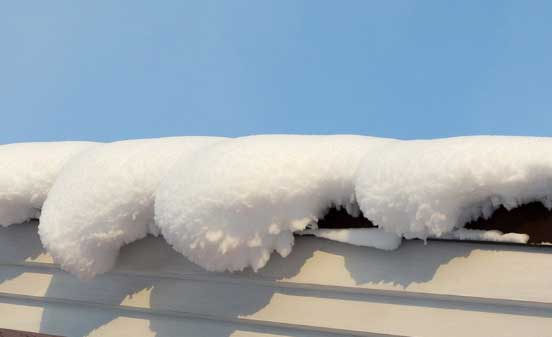
Snow looks light and fluffy when it’s falling, but once it piles up on your roof, it becomes surprisingly heavy. A foot of light, powdery snow weighs about 5 pounds per square foot. That same foot of wet, packed snow? Closer to 20 pounds per square foot. Ice weighs even more—about 60 pounds per cubic foot. Now multiply that across your entire roof surface, and you’re talking about literal tons of weight sitting up there. Most roofs in Reno are designed to handle this, but “most” and “designed to” aren’t guarantees when you stack multiple storms, add rain on snow, or have an older roof with existing weaknesses.
Understanding snow load isn’t about becoming a structural engineer—it’s about knowing when your roof is stressed and what warning signs mean you need to act. The homes closer to Tahoe and Truckee deal with this every winter as routine. But even here in Reno proper, we get storms that dump enough snow to create real concern, especially when it sits for days and gets rained on. Let’s talk about what you actually need to know to keep your roof safe this winter.
What Is Snow Load and Why Does It Matter?
Snow load is the downward force that accumulated snow and ice exert on your roof structure. Engineers express it in pounds per square foot (psf). Reno building codes typically require residential roofs to handle 30-40 psf of snow load, though this varies by elevation and specific location. Homes in the foothills or closer to the Sierras need higher ratings because they get more snow.
Here’s the issue: those ratings assume your roof is in good condition and the snow is relatively uniform. Real life isn’t that neat. Snow drifts against walls and valleys, creating concentrated loads. Rain adds weight dramatically—that “harmless” rain on snow can triple the weight. And if your roof structure has been compromised by age, previous damage, or poor original construction, the safety margins shrink fast. At Mills Roofing, we’ve seen 30-year-old roofs handle massive loads without issue and 10-year-old roofs struggle because they were built cheaply. Age matters, but quality and condition matter more.
How Much Snow Is Too Much?
There’s no magic number because it depends on your specific roof structure, pitch, condition, and what type of snow you’re dealing with. But here are some general guidelines that should trigger concern:
Light, fluffy snow: Most roofs can handle 3-4 feet without serious concern, assuming the roof is in decent shape. That’s roughly 15-20 psf of load.
Packed or wet snow: Anything over 12-18 inches should make you start paying attention. Wet snow is deceptively heavy. A foot of wet snow can weigh as much as 4 feet of powder.
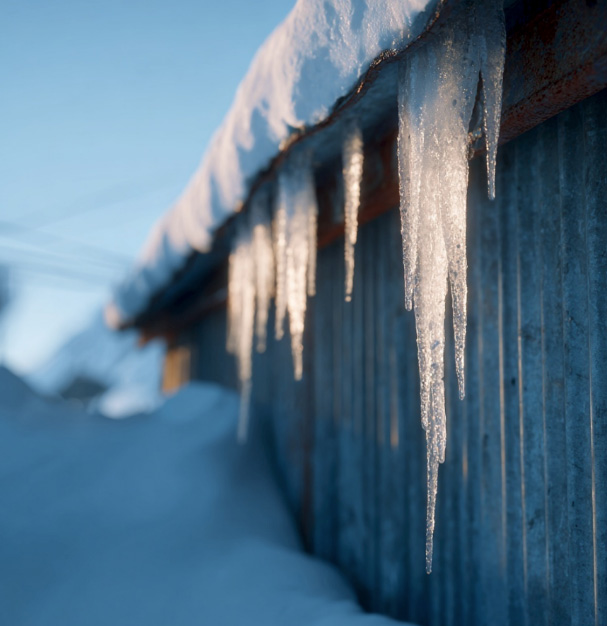
Ice layers: If you’ve got ice buildup under snow—common when we get freeze-thaw cycles—that dramatically increases weight. Ice is about three times heavier than packed snow for the same thickness.
Multiple storms without melting: When storms stack on top of each other without significant melting between them, you’re accumulating layers of different densities. The bottom layers get compressed and heavier while new snow keeps piling on top.
Rain on snow: This is the danger zone. Rain soaks into existing snowpack like a sponge, and suddenly that 10 inches of snow weighs twice what it did before. This is when we get emergency calls from panicked homeowners who suddenly hear creaking or see warning signs.
Warning Signs Your Roof Is Overloaded
Your house will tell you when it’s stressed—you just need to listen. These warning signs mean the snow load is approaching or exceeding your roof’s capacity:
Cracking or popping sounds: If you hear unusual creaking, popping, or cracking noises coming from your ceiling or attic, that’s structural members flexing under load. Don’t ignore this.
Sagging ceiling or roof line: Stand back and look at your roof line from outside. If sections are visibly sagging or doors and windows suddenly stick or won’t close properly, that’s serious. Interior ceiling sag is even more urgent.
Cracks in interior walls or ceilings: New cracks appearing in drywall, especially near walls and ceilings or around door frames, can indicate structural movement from roof stress.
Sprinkler heads dropping down: In commercial buildings or some homes with sprinkler systems, the heads will drop below ceiling tiles when the structure sags. Same principle applies to any ceiling-mounted fixtures that suddenly seem lower.
Doors popping open: If interior doors suddenly won’t stay latched or exterior doors pop open on their own, the door frames are shifting because the building structure is flexing.
If you notice any of these signs, get people out of upper floors immediately and call a professional. This isn’t “wait and see” territory—these are red flags that your roof might be approaching failure. We’ve responded to emergency calls where homeowners waited too long, and the difference between a controllable situation and a collapse can be measured in hours.
Roof Design Features That Affect Snow Load Capacity
Not all roofs handle snow the same way. Your roof’s ability to manage snow load depends on several design factors:
Pitch (slope): Steeper roofs shed snow naturally once it gets heavy enough to slide. Flatter roofs hold everything. A 6/12 pitch (6 inches of rise for every 12 inches of run) will shed snow much better than a 3/12 pitch. Flat or low-slope roofs are most vulnerable to overload.
Roof shape: Simple gable roofs distribute load fairly evenly. Complex roofs with valleys, dormers, and multiple levels create areas where snow drifts and accumulates. Valleys can collect several times the snow depth of surrounding areas.
Structural support: Rafter spacing, truss design, and the size of structural members all affect capacity. Older homes sometimes have wider rafter spacing (24 inches instead of 16 inches), which means less support. Homes built to modern codes in snow-prone areas have beefier structures.
Age and condition: Even a well-designed roof loses capacity as it ages if maintenance is neglected. Rotted decking, damaged trusses, or water-compromised structural members can’t carry the loads they were designed for. This is why regular roof inspections matter—you need to know your roof’s actual condition, not just its theoretical capacity.
Special Concerns for Tahoe, Truckee, and Foothill Areas
If your property is in the mountains or foothills between Reno and Tahoe, snow load is a routine winter concern, not an occasional worry. These areas can see 5-10 feet of total seasonal snowfall, with individual storms dropping 2-3 feet. Homes in these zones should be designed for much higher snow loads—often 75-150 psf or more depending on elevation.
But even with beefier designs, the principles are the same: watch for accumulation, monitor after rain events, and know your warning signs. The difference is your threshold is higher. What would be an emergency in Reno proper might be normal in Truckee. That said, don’t get complacent. We’ve seen mountain homes with structural problems because owners assumed “it’s built for this” and ignored maintenance. Even heavy-duty roofs fail when they’re not maintained or when conditions exceed design limits.
When and How to Remove Snow From Your Roof
Here’s the uncomfortable truth: removing snow from your roof is dangerous. People die every winter falling off roofs or getting hit by sliding snow. So before we talk about how, let’s talk about when it’s actually necessary versus when you’re better off leaving it alone.
When to remove snow:
- You’re seeing structural warning signs (sagging, cracking, door/window issues)
- You’ve got 2+ feet of wet, heavy snow or 4+ feet of any snow
- Snow is significantly drifted in valleys or against walls
- A rainstorm is forecast and you already have substantial snow load
- Ice dams are forming and causing water intrusion problems
When to leave it alone:
- Less than a foot of snow and your roof is in good condition
- The snow is light and fluffy
- Clear weather is forecast (it’ll melt naturally)
- Your roof pitch is steep enough that snow will slide off on its own
If you decide removal is necessary, hire professionals. Mills Roofing offers emergency snow removal services because we have the equipment, training, and safety protocols to do it without damaging your roof or injuring anyone. We don’t just shovel—we understand roof structures, know where you can and can’t step, and use techniques that won’t puncture shingles or strip granules.
If you absolutely must do it yourself (which we don’t recommend), use a roof rake from the ground for single-story sections. Never get on an icy or snow-covered roof. Remove snow in thin layers, not all at once—sudden weight removal can actually stress structures. And never work alone.
How Mills Roofing Helps Reno Handle Snow Season
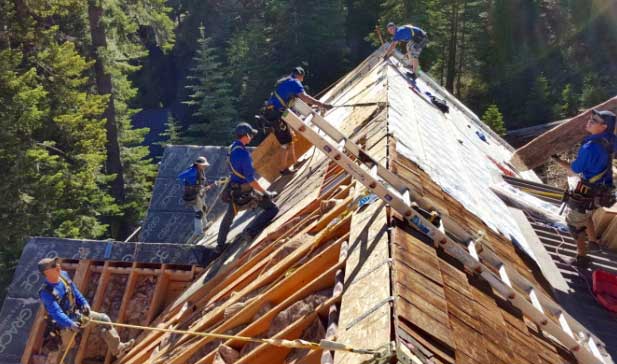
For over 30 years, we’ve been the roofing company Northern Nevada calls when winter weather creates problems. Our crews are trained not just in installation and repair, but in snow load assessment and emergency response. When storms hit, we’re out there helping homeowners determine if their roof is safe, performing emergency snow removal when necessary, and fixing damage before it becomes catastrophic.
We built our comprehensive training program specifically around real-world scenarios like this—because textbook knowledge doesn’t help when you’re standing in someone’s attic at 11 PM explaining why they need to evacuate until we can relieve the load on their roof. Experience matters. Local knowledge matters. We’ve seen what Reno winters do to roofs, and we know how to keep them safe.
Prevention and Preparation
The best way to handle snow load concerns is to make sure your roof is ready before winter arrives. That means fall inspections to catch structural weaknesses, ensuring proper attic insulation and ventilation to minimize ice dam formation, and keeping gutters clear so water can drain when snow melts. It also means knowing your roof’s age, condition, and design capacity.
If your roof is older, has had previous repairs, or you’re just not sure about its condition, now is the time to have it evaluated—before you’re staring at 2 feet of snow wondering if it’s safe. We provide detailed assessments that tell you exactly what your roof can handle and what improvements would increase safety margins. That information is invaluable when the next big storm is forecast.
Concerned about snow load on your roof? Contact Mills Roofing for a professional assessment. We’ll evaluate your roof’s condition, discuss capacity concerns specific to your home, and give you clear guidance on what to watch for this winter. Don’t wait until you’re hearing creaking sounds at 2 AM. Call today or visit our website to schedule your consultation.