
Timing matters when you’re replacing your roof. Sure, you can technically install a new roof almost any time of year in Reno—we don’t get the brutal winters that shut down roofing in places like Minnesota or Vermont. But “can be done” and “should be done” are different questions. Spring offers a perfect combination of weather conditions, contractor availability, product selection, and strategic timing that makes it the optimal season for most Reno homeowners to schedule roof replacement.
Understanding why spring works so well helps you plan proactively rather than waiting until problems force your hand during less ideal times. After 45-plus years of roofing in Northern Nevada through every season, Mills Roofing has seen how seasonal factors affect project success, costs, and outcomes. Let’s break down why spring is your best bet for roof replacement and how to plan accordingly.
Weather Conditions: The Fundamental Advantage
Roofing is weather-dependent work. You need specific conditions for optimal installation:
Temperature requirements: Most roofing materials have ideal installation temperature ranges. Asphalt shingles, for example, need temps between 40-85°F for proper adhesion and sealing. Spring in Reno typically hits this sweet spot consistently. Too cold and adhesives don’t bond properly; too hot and materials become difficult to handle and can be damaged during installation.
Moderate precipitation: Spring has some rain, but typically in manageable amounts with periods of clear weather between systems. This is perfect—contractors can work most days, and when weather does force delays, they’re short. Compare this to winter where snow can shut down projects for days or weeks, or summer where unexpected thunderstorms hit during hot afternoons.
Predictable weather patterns: Spring weather in Reno is relatively predictable. You know roughly what to expect—cool mornings warming to pleasant afternoons, occasional rain systems passing through with a few days of sun between them. This predictability helps contractors schedule efficiently and homeowners plan around projects.
Ideal working conditions: Spring temperatures are comfortable for roofing crews, which actually matters more than you might think. Comfortable workers are safer, more efficient, and do better quality work than crews suffering through 95°F heat or 25°F cold. Heat exhaustion and cold-related injuries both impact project quality and speed.
Extended daylight: By late spring, daylight extends well into evening, giving crews maximum productive hours. More daylight means projects progress faster and finish sooner.
Contractor Availability and Pricing
Seasonal demand patterns significantly affect both availability and costs:
Spring is shoulder season: Peak roofing season runs late spring through early fall, with absolute peak in July-August. Dead season is December-February. Spring (March-May) is shoulder season—contractors are getting busy but not yet swamped. This means:
- Better availability: You can schedule within weeks rather than months
- More flexible scheduling: Contractors can accommodate your preferred timeline
- Attentive service: Crews aren’t rushing from emergency to emergency
- Competitive pricing: Not peak rates, but also not desperate-for-work discounts (which can signal quality issues)
Booking ahead pays off: Contractors fill their summer schedules during spring. Book your spring or early summer project in January-March, and you get ideal timing without emergency premiums or long waits. Wait until June to schedule summer work, and you might wait until September for availability.
Avoid emergency premiums: Winter roof failures often require emergency service at premium rates. Spring replacement after winter assessment means scheduled work at regular rates, not 2 AM emergency calls.
Post-Winter Assessment Advantage
Spring follows winter—this timing is strategically valuable:
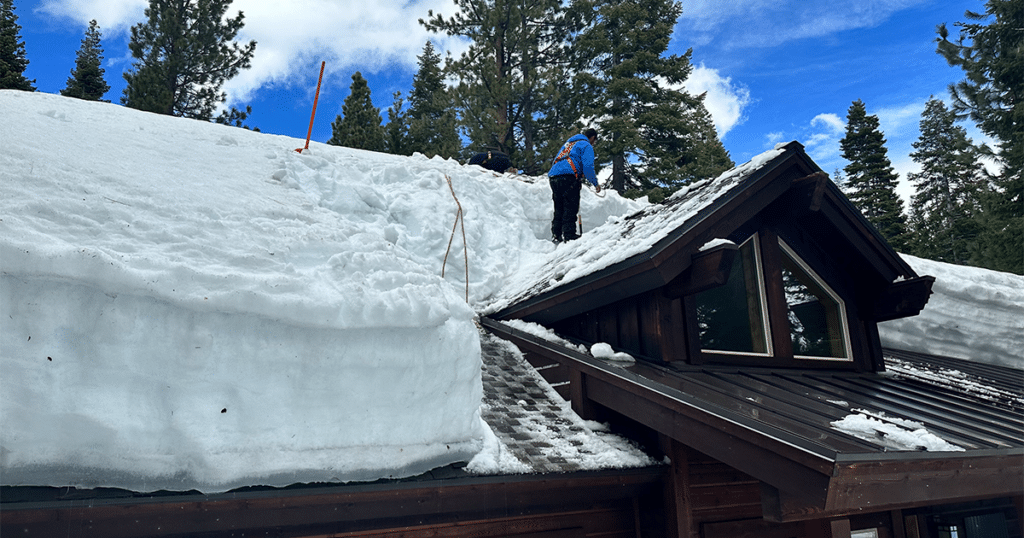
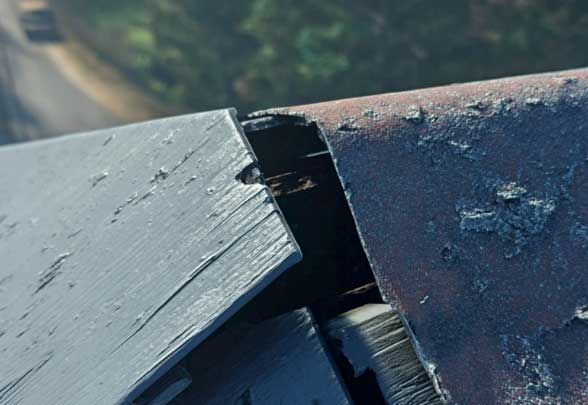
Identify winter damage: Winter is hard on roofs. Wind, snow load, ice dams, and freeze-thaw cycles stress materials and create damage. Spring lets you assess what winter did and address problems before another year of exposure.
Fix problems before they worsen: Small damage identified in spring can be addressed before summer heat and fall storms make it worse. Minor leaks become major water damage if left through another season.
Learn from winter performance: If you had winter problems—ice dams, leaks, excessive snow accumulation concerns—spring replacement lets you address underlying issues (ventilation, insulation) while fixing the roof. You go into next winter with solutions in place.
Time to make informed decisions: Discovering roof problems in October leaves you scrambling before winter hits. Discovering them in March gives you months to research options, get multiple quotes, and make informed decisions without pressure.
Summer Readiness
Installing a new roof in spring prepares your home for summer challenges:
Beat the heat: New roofing materials with reflective properties or lighter colors reduce cooling loads during Reno’s hot summers. Installing in spring means you benefit all summer rather than waiting until fall when cooling season is ending.
Prevent summer storm damage: Summer thunderstorms bring high winds and occasionally hail. A new spring roof is more resistant to this damage than an aging roof you haven’t replaced yet.
Avoid peak heat stress: Installing during moderate spring temperatures is easier on both materials and workers than summer installation during 95°F+ heat. Some materials can be damaged by excessive heat during installation, and quality suffers when crews are working in brutal conditions.
Pre-Sale Timing for Real Estate
If you’re planning to sell, spring replacement makes strategic sense:
Ready for spring/summer selling season: Real estate is most active spring through early fall. Getting your roof done in March-April means your home looks its best during peak showing season. Curb appeal matters enormously, and a fresh roof is one of the most visible improvements you can make.
Time for other improvements: Replacing your roof in spring leaves summer and early fall for other pre-sale improvements. You can stage projects logically rather than doing everything in a rush.
Address buyer concerns early: If inspections reveal roof issues, addressing them in spring means they’re not deal-killers during summer selling season. Buyers see “new roof” rather than “needs roof replacement.”
Maximize return on investment: New roofs recoup roughly 60-70% of costs in increased home value. The longer you have it before selling, the more value you extract. Spring installation for summer/fall sale captures maximum value.
Material Availability and Selection
Spring offers advantages for materials access:
Full inventory available: Suppliers stock heavily for the coming season. Color selection and product availability are at their peak. By late summer, popular colors or specific products may be back-ordered.
Latest products released: Manufacturers typically release new products and colors in spring for the coming season. You get first access to improved technologies and newest options.
No weather-related delays: Winter can create supply chain delays (weather-related transportation issues). Summer doesn’t have this problem, but spring orders arrive reliably and promptly.
Time for special orders: If you want specialty materials or custom colors, spring scheduling allows time for orders without delaying your project. Rush orders during peak season cost more or may not be possible.
Warranty and Longevity Considerations
Timing affects your roof’s long-term performance:
Optimal installation conditions = better longevity: Roofs installed during ideal conditions (moderate temps, proper adhesion, comfortable crews doing quality work) simply last longer than those installed in suboptimal conditions. Spring provides these ideal conditions consistently.
Full adhesive curing time: Asphalt shingles need time for adhesive strips to bond properly. Spring installation gives them months of good weather to seal completely before winter stress tests them. Summer installation means fall/winter arrives before full curing.
Warranty activation: Warranty periods begin at installation. Spring installation means you’re entering peak stress seasons (summer heat, winter cold) with the most remaining warranty time. Installing in fall means your first winter occurs with maximum warranty protection already consumed.
Planning and Preparation Time
Spring allows proper project planning:
Unhurried decision-making: Discover you need replacement in March, and you have time to research materials, get multiple quotes, check references, and make informed choices. Discover it in November, and you’re rushing decisions before winter.
Coordinate with other projects: Planning to repaint exterior? Upgrade gutters? Improve attic insulation? Spring roof replacement can anchor a comprehensive exterior improvement plan, with projects sequenced logically.
Financial preparation: Time to arrange financing, save up, or wait for bonus/tax refund if needed. Emergency replacements don’t give you financial preparation time.
Minimize disruption: Plan roof replacement around vacations, major life events, or busy work periods. Spring timing gives you control over scheduling rather than forcing replacement whenever failure occurs.
Avoiding the Pitfalls of Other Seasons
Understanding why other seasons are less ideal helps appreciate spring’s advantages:
Summer (June-August):
- Pros: Consistently good weather, extended daylight
- Cons: Peak demand (long waits, higher prices), extreme heat stress on materials and workers, high cooling costs during open-roof periods, summer vacation disruptions
- Verdict: Works fine if scheduled early (during spring), but waiting until summer to schedule means fall installation
Fall (September-November):
- Pros: Moderate weather, contractor availability improving as summer rush ends
- Cons: Shorter daylight hours, approaching winter (risk of weather delays), rush to complete before bad weather, preparing home for winter rather than full season ahead
- Verdict: Second-best option after spring, good if you can’t do spring
Winter (December-February):
- Pros: Best contractor availability, potentially lower prices
- Cons: Weather delays likely, cold temps affect material performance, uncomfortable working conditions, shorter days, snow and ice complications, risk of incomplete projects entering spring
- Verdict: Avoid unless emergency. Even in Reno’s mild winters, conditions are suboptimal
How to Plan for Spring Replacement
If you’re convinced spring is right (and it usually is), here’s your action plan:
Winter (December-February): Assessment and Research
- Schedule professional roof inspection to assess condition and identify issues
- Research materials and options (asphalt vs. metal, colors, upgrades)
- Get 3-5 contractor quotes
- Check references and reviews
- Arrange financing if needed
- Make decision on contractor and materials
Early Spring (March): Booking and Scheduling
- Finalize contract with chosen contractor
- Schedule installation for April-May
- Order materials (especially if custom colors/products)
- Plan around the project (time off work if desired, pet arrangements, etc.)
- Prepare property (move vehicles, cover outdoor items, trim trees near house)
Mid-Spring (April-May): Installation
- Project proceeds during optimal weather
- Monitor progress and maintain communication with contractor
- Inspect work quality at completion
- Ensure cleanup is thorough
- Confirm warranty registration
- Pay final balance upon satisfaction
Late Spring/Summer: Enjoy
- New roof protects home through summer
- Energy costs reduced from modern materials
- Peace of mind through storm season
- Home looks great if selling
Special Considerations for Tahoe/Truckee Areas
Mountain properties have different considerations:
Later spring timing: Higher elevations see snow into April or even May. For mountain homes, “spring” means late May or June—whenever reliable good weather arrives.
Shorter season: Mountain roofing season is compressed. Book even earlier (winter) for late spring/early summer installation. Waiting means fall installation or even waiting until next year.
Snow load considerations: Mountain roof replacements should address heavy snow load requirements before next winter. Spring/early summer timing ensures this happens.
What Mills Roofing Recommends
Based on three decades serving Reno and Northern Nevada, here’s our advice:
Start planning in winter: January-February is perfect for inspections, quotes, and decision-making. This positions you for April-May installation—ideal timing.
Don’t wait for problems: If your roof is 20+ years old or showing aging signs, be proactive. Schedule replacement before failure forces your hand at inconvenient times.
Book early: We start booking spring and summer projects in January. The best dates fill quickly. Waiting until March or April often means summer or fall installation.
Be flexible: Weather still matters in spring. If rain delays your project a few days, that’s normal and actually indicates your contractor is being careful about quality. Contractors who work through bad weather create future problems.
Plan comprehensively: Spring replacement is an opportunity to address related issues—ventilation, insulation, gutters, flashing. Work with contractors who think systemically, not just slap new shingles on old problems.
Our spring schedule fills with homeowners who planned ahead. They get ideal weather, attentive service, optimal material conditions, and a whole summer/fall/winter to enjoy their new roof before another replacement cycle begins 25-30 years in the future. That’s the smart way to handle this major home investment.
Ready to schedule your spring roof replacement? Contact Mills Roofing now to get on our schedule. We’re already booking spring 2026 projects, and the best dates go quickly. Our experienced team will inspect your current roof, help you choose the right materials, provide detailed estimates, and schedule installation during optimal spring conditions. Don’t wait until emergency strikes—plan proactively and benefit from ideal timing. Call today or visit our website to get started. Your roof protects everything—replace it right, at the right time.