In the decades that Mills Roofing has spent watching asphalt shingle roofs age across Reno, Sparks, Tahoe, Truckee, Carson Valley, and Fallon-Fernley, one thing is clear. The number printed on a warranty rarely matches what actually happens on a roof. A shingle’s real lifespan depends on installation quality, attic conditions, sun and snow exposure, and how consistently the roof is maintained. Homeowners who understand these factors can make better decisions about repairs, timing, and long-term budgeting instead of guessing based on age alone. This guide breaks down what actually shortens or extends the life of an asphalt shingle roof, along with the warning signs that separate normal wear from a roof that needs attention.
How Long Does an Asphalt Shingle Roof Actually Last?
Most asphalt shingle roofs last between 20 and 30 years, though the exact number depends heavily on the shingle type, installation, and local climate. A manufacturer’s warranty reflects performance under standardized testing, not the specific climate a roof actually faces. A 30-year shingle installed in a high-altitude, high-snow-load environment may not reach that number, while the same shingle installed with strong attic ventilation and consistent maintenance in a milder climate might exceed it. The warranty is a reference point, not a prediction. In practice, a well-installed and properly maintained roof often reaches the higher end of its rated range, while a roof with ventilation problems or installation shortcuts can fail a decade early.
3-Tab vs. Architectural Shingles
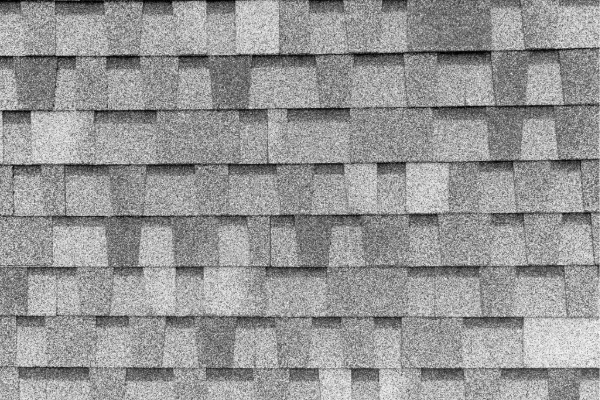
Traditional 3-tab shingles are generally lighter and use a simpler construction than architectural shingles. Architectural, or dimensional, shingles use a laminated construction and are available with higher wind ratings and longer manufacturer warranty terms on many product lines. The added thickness also helps architectural shingles withstand granule loss over time, which matters in a climate with heavy sun exposure and seasonal freeze-thaw cycles. Actual service life for either type depends heavily on the specific product, installation, and conditions the roof experiences.
Lifespan in the Reno-Tahoe Climate
Roofs in this region face intense UV exposure at altitude, heavy snow loads in winter, and sharp temperature swings between seasons. That combination puts more stress on asphalt shingles than a milder, low-elevation climate would. Homes at higher elevations in Tahoe and Truckee tend to see faster granule wear from UV exposure, while ice damming and snow accumulation create a separate set of risks that lower-elevation homes in Reno and Sparks may not face to the same degree.
What Shortens the Life of Asphalt Shingles
Age is not the only factor that determines when a roof needs replacing. Attic conditions, installation quality, and local climate stress all play a role, often more than the calendar does. Two roofs installed in the same year can age at very different rates depending on how well the attic breathes and how carefully the original installation was handled. Recognizing these factors helps homeowners understand why a roof might need attention sooner than its rated lifespan would suggest, and where to focus attention when scheduling maintenance or an inspection.
Attic Ventilation and Installation Quality
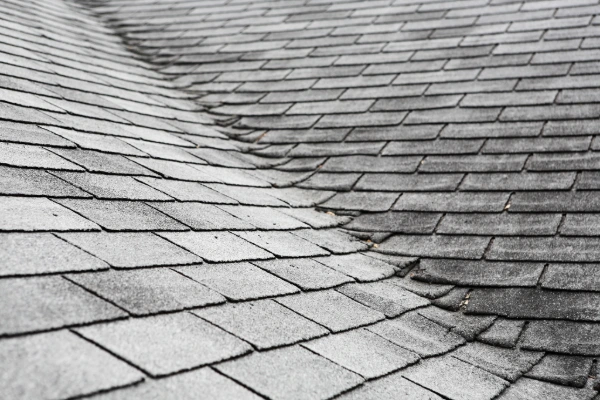
Poor attic ventilation traps heat and moisture underneath the roof deck, which accelerates shingle aging from below, not just from sun exposure above. Over time, that trapped heat can cause shingles to curl, crack, or lose granules well ahead of schedule. Installation quality matters just as much. Improperly nailed shingles, missing underlayment, or incorrect flashing around vents and chimneys can create early failure points that have nothing to do with the shingle material itself.
Ice Damming, Snow Load, and Altitude
Ice damming can damage shingles and the roof deck underneath, even when no leak is visible from inside the home. As snow melts and refreezes at the roof edge, water can work its way under shingles and compromise the seal that keeps a roof watertight. Combined with the increased UV intensity at higher elevations, homes in Tahoe and Truckee often experience faster granule wear and material fatigue than similar homes at lower elevations.
Foot Traffic and Granule Loss
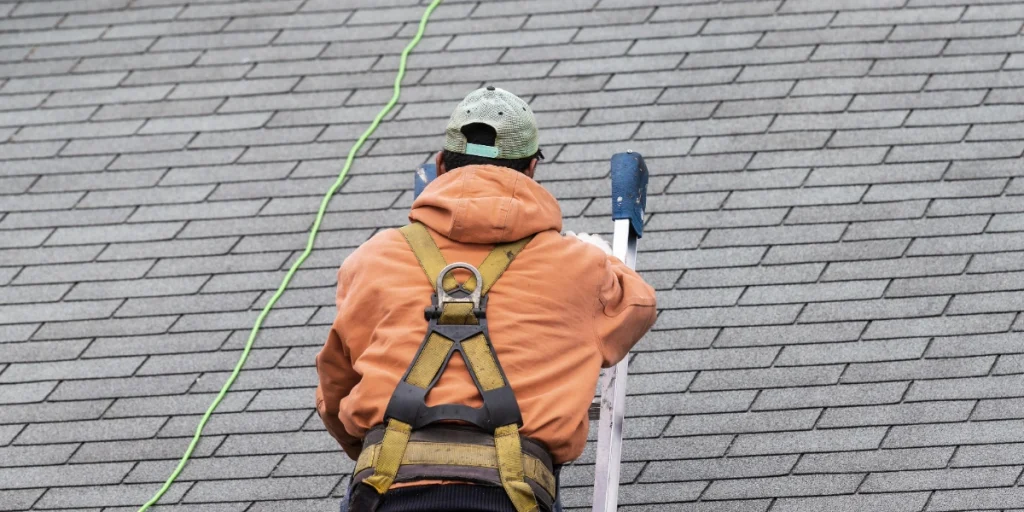
Walking on a roof during inspections or maintenance can dislodge granules and stress shingles, particularly on older roofs where the material has already lost some flexibility. Granule loss and bald spots are worth watching, but they do not automatically mean a full roof replacement is needed right away. A trained eye can distinguish between surface wear and structural failure, which is one reason a professional inspection carries more weight than a visual check from the ground.
How to Extend the Life of Your Roof
A shingle roof is a long-term investment, and consistent upkeep does more to protect that investment than any single repair. Regular maintenance, timely repairs, and a few proactive upgrades can add real years to a roof’s usable life. The homeowners who get the most out of their roofs tend to be those who treat maintenance as a routine part of homeownership, not a reaction to a visible problem.
Routine Maintenance, Gutters, and Trees
Scheduled roof maintenance catches small issues, like a lifted shingle edge or minor flashing gap, before they become expensive problems. Gutters should be cleaned at least twice a year, more often if the property has overhanging trees, since clogged gutters can force water back under shingle edges. Trimming overhanging branches also reduces the risk of physical damage from falling limbs and limits the buildup of moisture-holding debris on the roof surface.
Roof Maxx® Treatments
For roofs that are showing age but are not yet ready for full replacement, a Roof Maxx® treatment can restore flexibility to aging asphalt shingles and extend their usable life. This option gives homeowners a documented, cost-conscious way to get more years out of a roof that still has structural integrity but has lost some of its original flexibility, rather than moving straight to a full tear-off.
Attic Insulation and Ventilation Upgrades
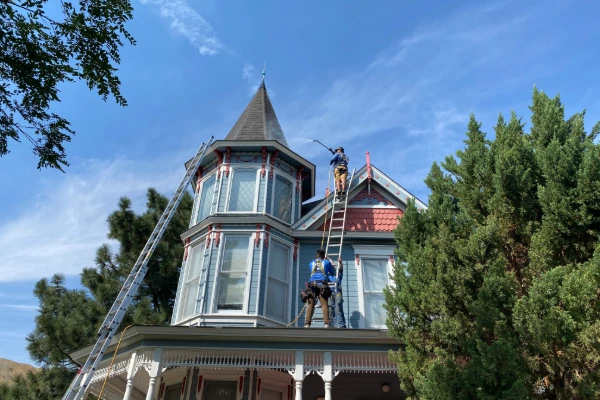
Since poor ventilation is one of the biggest contributors to early shingle aging, upgrading attic insulation and airflow can have a direct effect on how long a roof lasts. Balanced intake and exhaust ventilation keeps attic temperatures closer to outdoor conditions, which reduces the heat stress that shingles experience from underneath. This is often a more cost-effective long-term move than repeatedly patching heat-related shingle damage.
Signs It’s Time to Replace, Not Repair
Every roof reaches a point where repair no longer makes financial sense. Knowing the difference between cosmetic wear and genuine end-of-life damage helps homeowners plan a roof replacement on their own schedule rather than being forced into a decision after a leak occurs. It helps to understand how the math shifts once a roof crosses this threshold when weighing the cost of ongoing repairs against the cost of a full replacement.
Minor Wear vs. Replacement-Ready Damage
Some granule loss, minor discoloration, and a few curled shingles can be addressed with targeted repairs or a treatment like Roof Maxx. Widespread granule loss exposing the shingle mat, cracked or missing shingles across large sections, or visible sagging in the roof deck are signs the roof has moved past routine maintenance and into replacement territory.
Warranty Length vs. Real-World Performance
A manufacturer’s warranty should not be treated as a prediction of exactly how long a roof will last. Shingle warranties primarily provide coverage for qualifying manufacturing defects and are subject to specific terms, exclusions, and coverage periods. Actual roof lifespan depends on factors such as installation quality, attic ventilation, maintenance, and the conditions the roof faces over time. In the Reno-Tahoe region, intense sun, snow, and ice, and seasonal temperature swings can all affect how a roof ages. Instead of relying on the warranty term alone, homeowners should consider the roof’s actual condition and overall performance when planning for repairs or replacement.
Why a Professional Inspection Matters
Guessing a roof’s remaining life based on its age alone misses the details that actually matter, like attic ventilation, flashing condition, and granule wear patterns across different roof sections. A detailed inspection from an experienced crew provides a documented assessment of what the roof actually needs, rather than a rough estimate based on install date. That documentation gives homeowners the information they need to plan a roof repair, a treatment, or a full replacement with confidence.
Protecting Your Roof for the Long Term
An asphalt shingle roof is one of the largest investments tied to a home, and understanding what actually shortens or extends its life puts homeowners in a better position to protect that investment. Mills Roofing brings technical know-how and detailed inspections to every roof evaluated in the Reno-Tahoe area, backed by manufacturer credentials from Owens Corning® and CertainTeed® and decades of experience with the specific climate challenges this region presents. Contact Mills Roofing to schedule a detailed inspection and get a documented assessment of exactly where your roof stands.