Your roof takes a beating in the Sierra Nevada and in the Reno–Tahoe area, that beating comes in four very different forms. At Mills Roofing, we’ve been protecting homes across Northwest Nevada since 1979, and a common question we hear from homeowners is simple: how often should you inspect your roof in Reno? The honest answer depends on your roof’s age, material, and how the seasons have treated it. But there’s a clear framework that works for most homes in this region. This guide walks you through exactly that, season by season, so you can stay ahead of problems before they turn into expensive roof repairs.
Why the Reno–Tahoe Climate Demands a Smarter Roof Inspection Schedule
Most national roofing guides are written for mild climates. The Reno–Tahoe region is not known for mild weather. At higher elevations, your roof faces UV intensity that degrades shingles faster than at sea level, freeze-thaw cycles that work moisture into even the smallest cracks, and heavy snow loads that stress the entire structure from late fall through early spring. Add in the dry desert summers that make shingles brittle, and you have a combination that wears out roofs faster than homeowners often expect. A consistent roof inspection schedule in Nevada isn’t just smart maintenance; it’s what protects a home from damage that starts small and compounds quickly.
How Many Times a Year Should a Roof Be Inspected?
For most homes in the Reno–Tahoe area, a professional roof inspection twice a year is the right baseline: once in the fall before winter hits, and once in the spring after the snow season ends. That said, age and material matter. Roofs that are 15 years or older, or that have gone through a particularly rough winter with heavy accumulation, benefit from more frequent attention. A professional roof inspection in Reno is also recommended after any major weather event, including high-wind storms that can lift flashing or displace shingles. The twice-a-year rhythm gives you a clean assessment of what winter did and what fall needs to prepare for, and it keeps small issues from quietly becoming large ones.
A Season-by-Season Roof Maintenance Guide for Nevada Homeowners
Spring: Assess the Damage Winter Left Behind
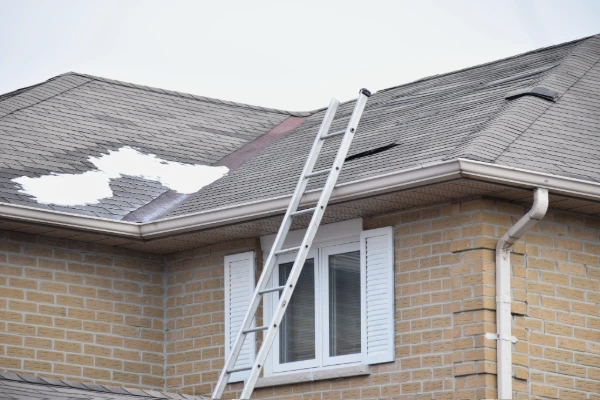
Spring is your most important inspection window. Snow loads, freeze-thaw cycling, and ice damming can all leave behind damage that isn’t obvious from the ground. A spring inspection should look at shingle condition, flashing integrity around chimneys and skylights, gutters that may have been pulled or bent by ice weight, and any soft spots in the decking that suggest moisture intrusion. This is also the right time to address preventive roof maintenance before the dry summer heat further stresses already-weakened areas. Catching this damage in April is far less costly than discovering it in July when the repair list has grown.
Summer: Low-Risk Season, But Not a Reason to Skip Attention
Summer in the high desert brings intense UV exposure and high temperatures that can accelerate shingle aging. Asphalt shingles in Nevada’s climate typically last 20–25 years, but neglecting summer conditions can shorten that lifespan noticeably. A visual check of your roof during summer — either from the ground with binoculars or as part of a professional visit — should look for granule loss, curling edges, and any cracking caused by UV exposure since spring. This is also a good time to clean gutters, check attic ventilation, and make sure your roof is set up to handle whatever fall brings.
Fall: Prepare Before the Snow Arrives
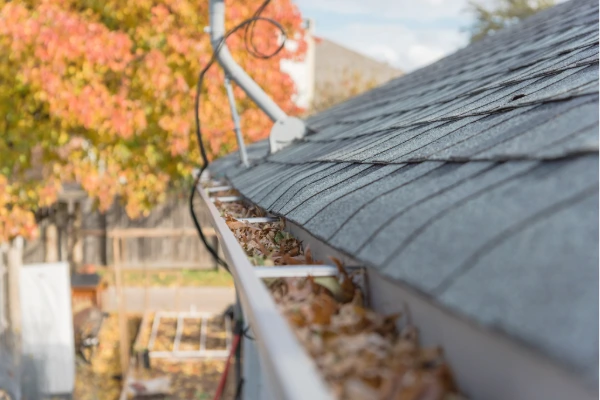
Fall is your last opportunity to address anything before winter adds weight, moisture, and cold to the equation. A preventative roof maintenance checklist for fall in the Reno–Tahoe area should cover the condition of flashing, any missing or damaged shingles from summer wind events, gutter clearing, and a check of attic insulation levels that affect ice dam formation. Ice dams are one of the most damaging things that can happen to a Nevada roof, and they’re largely preventable with the right prep. Scheduling a fall inspection in September gives you time to make roof repairs before the first snow.
Winter: Monitor, Don’t Ignore
Active inspection during winter is limited by safety and access constraints, but monitoring remains important. Heavy accumulation can create structural stress, and ice dams forming at the eaves are a sign that heat is escaping through the roof deck. Mills Roofing offers a snow monitoring membership and emergency snow and ice removal services for homeowners who want professional eyes on their roof when conditions get serious. For those who own seasonal or second properties in the Tahoe area and aren’t on-site, this kind of ongoing monitoring is especially valuable.
What Do Roofers Look for During an Inspection?
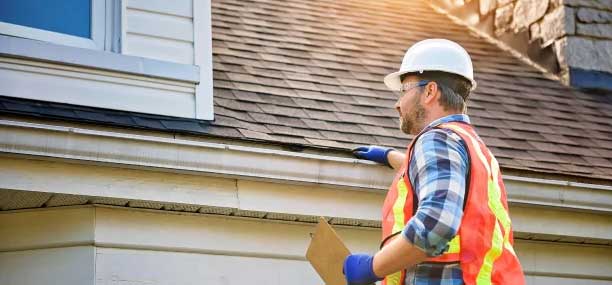
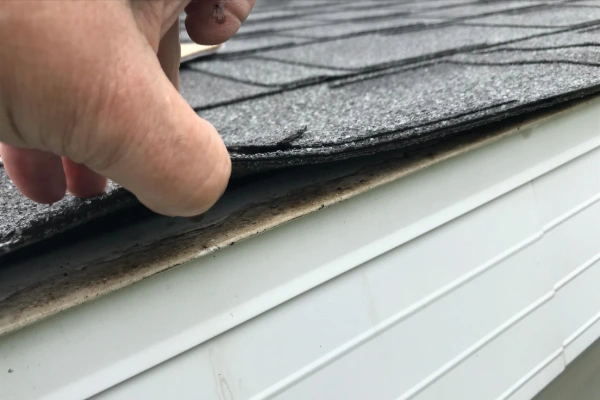
A professional roof inspection involves much more than a visual scan from the driveway. At Mills Roofing, an inspection covers the condition of individual shingles — looking for cracking, curling, blistering, or granule loss — as well as the integrity of flashing around any roof penetrations, the condition of ridge caps, the state of soffits and fascia, gutter attachment and drainage, and any signs of moisture intrusion at the decking level. On metal roofs, inspectors check fastener tightness, panel seams, and coating condition. The goal is a complete picture of the roof’s current condition, not just a surface-level view of what’s visible from the eaves. That detail is what lets Mills provide specific recommendations rather than vague guidance.
What Happens If You Skip Annual Roof Inspections?
Skipping inspections doesn’t mean nothing is happening to your roof; it means you won’t know about it until the problem is significant. In the Reno–Tahoe climate, a small area of compromised flashing can allow moisture to work into the roof deck over multiple freeze-thaw cycles. By the time water shows up on a ceiling, the damage often extends well beyond the original entry point. Minor shingle damage that costs a few hundred dollars to repair in the fall can turn into deck replacement by spring. Roofs that aren’t maintained tend to fail earlier than expected. A 25-year roof that should have been replaced at year 22 needs to be replaced at year 17 because preventative care never happened. The math on regular inspections is straightforward.
Can I Do My Own Roof Inspection Safely?
A homeowner can do a meaningful ground-level check without ever getting on the roof. From the ground or an upstairs window, you can spot missing shingles, visible sagging, granules collecting in the gutters or downspouts, dark staining that suggests algae or moisture, and obvious flashing issues. Inside the attic, look for daylight coming through the decking, water stains, or soft spots. What a ground-level check can’t tell you is the condition of flashing seams, the integrity of areas around penetrations, or early-stage granule loss that hasn’t yet become visible. A professional inspection catches what a homeowner’s walk-around misses.
Roof Maintenance Services from Northwest Nevada’s Most Trusted Roofer
Mills Roofing offers professional roof inspections, preventative maintenance, Roof Maxx treatments, and full replacement for both asphalt shingle and metal roofs. With 45+ years serving Reno, Sparks, Carson City, and the Tahoe basin, a 4.9-star rating, Owens Corning Platinum Preferred status, and the #1 Roof Maxx dealership in the U.S., Mills brings credentials that speak for themselves. Financing is available, and the team is ready to help in English, Spanish, and Vietnamese.
Don’t wait for a leak to tell you your roof needs attention. Contact Mills Roofing today to schedule your professional roof inspection and get a clear picture of where your roof stands and what it needs to protect your home through every season.