Let’s talk about something nobody wants to think about – your aging roof.
You know that feeling when you’re driving up to your house and notice your shingles looking a little… tired? Maybe they’re curling at the edges. Perhaps they’ve lost that rich color they had when you first moved in. Your gut tells you it’s time to start saving for that inevitable $15,000-30,000 roof replacement.
But here’s what most homeowners in Reno and Tahoe don’t realize: your 12-year-old roof might actually have another 15 years of life hiding inside those weathered shingles.
The Million-Dollar Discovery That Started With Soybeans
Brad Mills from Mills Roofing recently shared something fascinating with me. Remember that massive Sierra Loma complex in Reno? Seventeen buildings, nearly 200 units, all facing the same expensive reality – aging roofs that needed attention. The property managers were looking at a heart-stopping quote for full replacement.
Instead, they tried something different. They called in Mills Roofing for a Roof Maxx treatment.
The result? They saved $1.2 million.
Not a typo. One-point-two million dollars stayed in their budget instead of going toward premature roof replacements. And those roofs? They’re now protected for another five years, with the option to retreat and extend that protection even further.
What Actually Happens to Your Shingles (And Why It Matters)
Think of your asphalt shingles like leather shoes. When they’re new, they’re flexible, water-resistant, and tough. But years of Nevada sun, winter snow loads, and those dramatic temperature swings we know so well in the Tahoe-Reno area? They suck the essential oils right out of your shingles.
Without those oils, your shingles become brittle. They crack. They let water in. They stop doing their job.
Most people think this means game over – time for a new roof. But what if you could put those oils back?
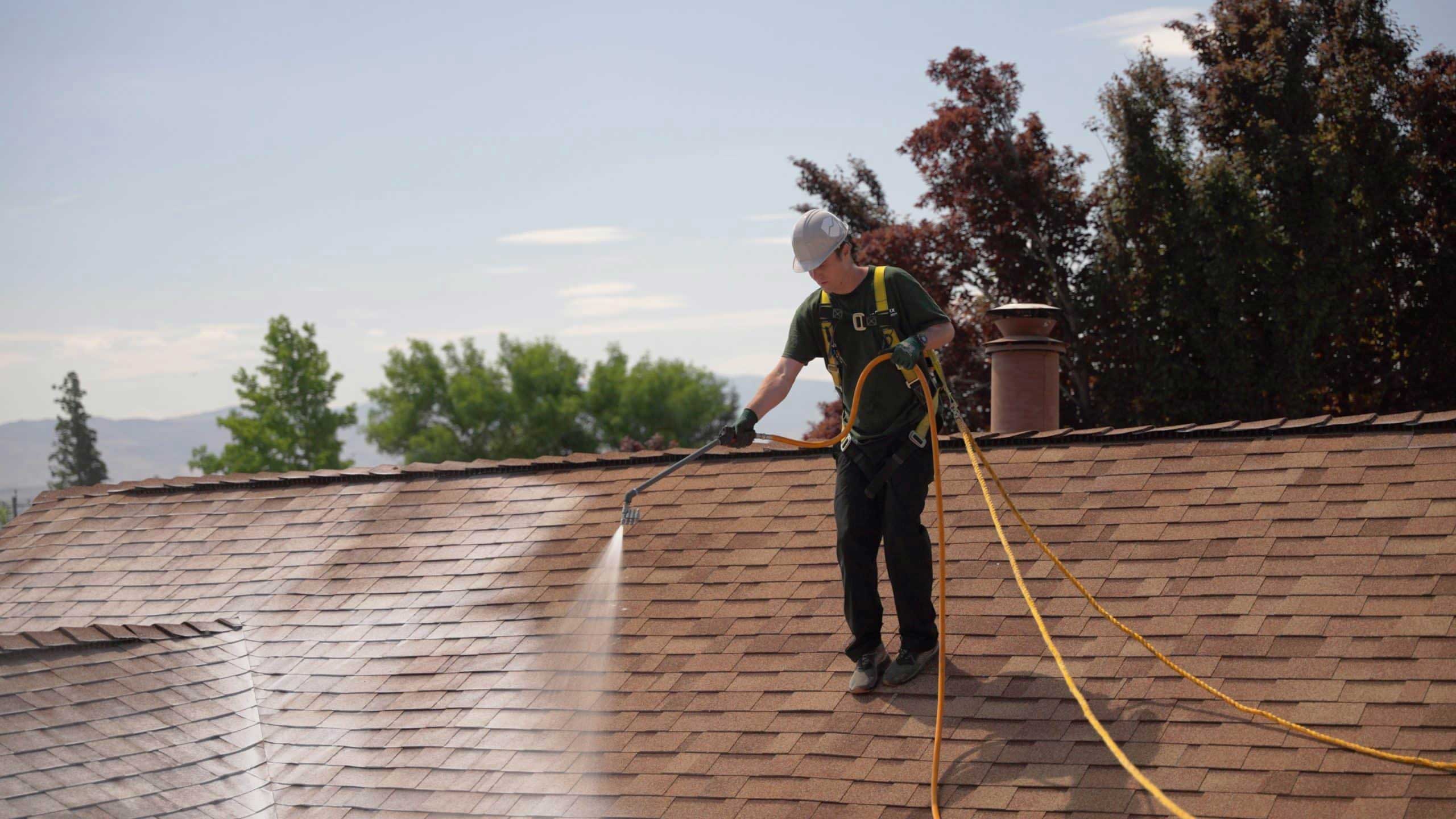
That’s exactly what Roof Maxx does. It’s a plant-based spray (made from soybeans, if you’re wondering) that penetrates deep into your shingles and restores their flexibility. It’s like turning back the clock on your roof by five years with each application.
The Sweet Spot Nobody Tells You About
Here’s insider information that could save you thousands: timing is everything with Roof Maxx.
“The ideal time to treat a roof is when it’s 8-15 years old,” explains the team at Mills Roofing. Why? Because at this age, your shingles are starting to lose their oils but haven’t deteriorated beyond recovery. It’s the roofing equivalent of preventive medicine – catch it early, and the treatment works wonders.
Wait too long, and you’ve missed your window. Too early? You’re not maximizing your investment.
Mills Roofing offers free inspections to determine if your roof is in that Roof Maxx sweet spot. They’ll even perform a simple flexibility test right in front of you – bend an untreated shingle and watch it crack, then bend a treated one and watch it flex like new.
Why This Matters More in Our Mountain Climate
Living in Reno, Tahoe, or Truckee means our roofs work harder than most. We’re not dealing with gentle rain and mild temperatures. We’re talking about:
- Snow loads that can exceed 200 pounds per square foot
- Temperature swings of 40-50 degrees in a single day
- Intense UV exposure at high altitude
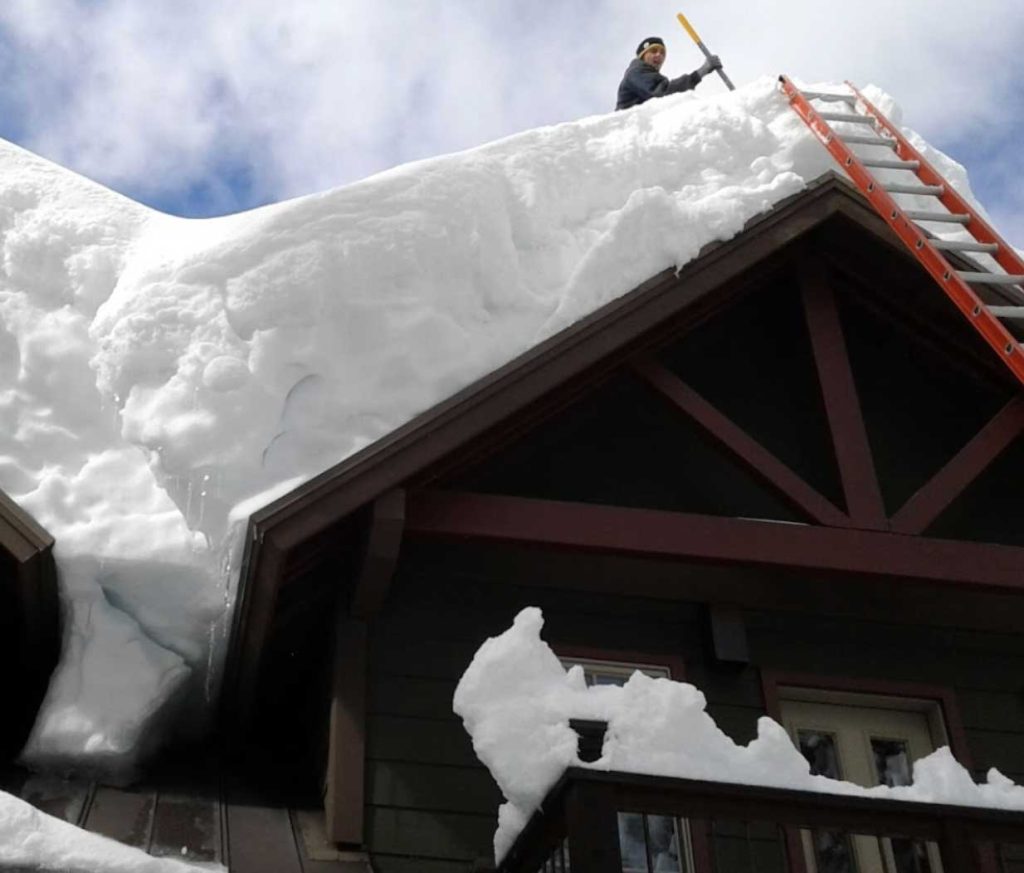
- Ice dams that test every weak point in your roofing system
These conditions typically accelerate shingle degradation. A roof that might last 20 years in Sacramento could fail at 15 years in Tahoe. But here’s where it gets interesting – Roof Maxx actually helps your shingles handle these extreme conditions better.
The treatment restores flexibility, which means your shingles can expand and contract with temperature changes without cracking. It rebuilds water resistance, crucial for snow melt and ice dam situations. And it strengthens the granule adhesion, protecting against UV damage.
The Environmental Angle We Can’t Ignore
Ready for a sobering statistic? The average roof replacement sends about 13,000 pounds of shingles to the landfill. In the Reno-Tahoe area alone, we’re talking about millions of pounds of roofing waste every year.
Mills Roofing isn’t just Nevada’s top Roof Maxx dealer (they earned the #1 spot nationally) – they’re also a Green Business Certified company. For them, extending roof life isn’t just about saving money; it’s about environmental responsibility.
Every roof that gets five more years of life is 13,000 pounds of waste that doesn’t enter our landfills. Multiply that by the hundreds of roofs Mills treats each year, and we’re talking about a massive environmental impact.
Consider this: if just half the eligible homes in Reno chose Roof Maxx over premature replacement, we’d keep over 10 million pounds of shingles out of landfills annually.
Real Numbers From Real Neighbors
“My roof is 20 years old,” says a recent Mills Roofing customer from Tahoe Vista. “I thought for sure I was looking at replacement this year. After the Roof Maxx treatment, my roof looks almost new again. The Mills team told me I could get another treatment in five years and potentially make it to 30 years total. That’s a game-changer.”
The math is compelling:
- Average roof replacement in Reno-Tahoe: $15,000-30,000
- Roof Maxx treatment: Typically 20% of replacement cost
- Potential extension: Up to 15 years with multiple treatments
- Warranty: 5 years, fully transferable if you sell
The Bottom Line (With a Twist)
Remember when we mentioned that $1.2 million Sierra Loma saved? That’s not just a number – it’s proof that this technology works at scale. Mills Roofing has now treated thousands of square feet across Northern Nevada, from massive commercial complexes to single-family homes in Midtown Reno.
But here’s the twist that should really get your attention: winter is coming.
And I don’t mean that in a Game of Thrones way (though our winters can be just as brutal). I mean that right now, before the first serious snow, is the optimal time to protect your roof. Once snow and ice arrive, you’re playing defense all winter. But a Roof Maxx treatment now? That’s playing offense.
What Happens Next?
Mills Roofing makes this surprisingly simple. They offer free roof inspections – no strings attached. Their team will assess whether your roof is a good candidate for Roof Maxx. If it is, they’ll show you the potential savings. If it’s not, they’ll be honest about your options.
The treatment itself takes just a few hours. No mess, no construction noise, no weeks of disruption. Your kids and pets can play in the yard the same day (the treatment is completely non-toxic). And that transferable warranty? It could actually increase your home’s value if you decide to sell.
The Question You Should Be Asking
It’s not “Can Roof Maxx really add 15 years to my roof?” Mills Roofing has the data, the testimonials, and the national recognition to prove it works.
The real question is: “Is my roof in the sweet spot?”
Because if it is, every month you wait is potentially money left on the table and life left in your roof that you’re not capturing.
Mills Roofing is offering free assessments through the end of fall. With over 45 years serving the Tahoe-Reno area, they know our roofs and our climate better than anyone. More importantly, they know that the best time to save a roof is before it needs saving.
Your roof might have 15 more years in it. Isn’t it worth a free inspection to find out?
Contact Mills Roofing at 775-345-9052 or visit millsroofinginc.com to schedule your free Roof Maxx assessment. Serving Reno, Sparks, Carson City, Tahoe, Truckee, and surrounding areas for over 45 years.
Is Your Reno Roof Ready for Winter? 10-Point Inspection Checklist
Meta Title (58 chars):
Reno Winter Roof Inspection Checklist | Mills Roofing
Meta Description (155 chars):
Get your Reno roof winter-ready with this expert 10-point inspection checklist. Learn what to check before snow hits from local roofing pros at Mills Roofing.
Target Keywords:
- Reno roof inspection
- winter roof checklist
- roof inspection before winter
- Reno roofing company
- winter roof maintenance Reno
- roof damage prevention
- Northern Nevada roofing
- Tahoe snow load preparation
Winter in Northern Nevada doesn’t mess around. Whether you’re in Reno proper or closer to Tahoe and Truckee where snow loads get serious, your roof is about to face months of punishment from snow, ice, wind, and wild temperature swings. The question isn’t whether winter will test your roof—it’s whether your roof is ready for the test. A quick inspection now can save you from emergency tarping at 2 AM when it’s 20 degrees outside and your ceiling is dripping.
Here’s the thing most homeowners don’t realize: winter roof damage rarely starts in winter. It starts with small problems you didn’t catch in fall—a loose shingle here, a clogged gutter there, some flashing that’s been quietly failing since July. Then the first big storm hits, water finds that weak spot, freezes, expands, and suddenly you’re dealing with a leak that’s going to cost you ten times what prevention would have. Let’s make sure that doesn’t happen.
Your 10-Point Winter Roof Inspection Checklist
- Check for Missing, Cracked, or Curling Shingles
Walk around your property and look up. You don’t need to get on the roof (please don’t—that’s what we’re here for), but you should be able to spot obvious problems from the ground. Missing shingles are open invitations for water. Curling edges mean your shingles are past their prime and won’t handle freeze-thaw cycles well. - Inspect Flashing Around Chimneys, Vents, and Skylights
Flashing is the metal that seals the gaps where your roof meets things that poke through it. It’s also the number one place roofs leak. If the flashing is rusty, bent, or has gaps, water will find its way in. This is especially critical in areas that see heavy snow—when that snow melts and refreezes, even tiny gaps become major problems. - Clear Your Gutters and Downspouts Completely
Clogged gutters don’t just overflow—they create ice dams. When water can’t drain properly, it backs up under your shingles, freezes, and forces its way into your home. Before the first snow, make sure every gutter and downspout is clear. If you’re near Tahoe where snow gets measured in feet, not inches, this isn’t optional. - Look for Granule Loss in Gutters
While you’re cleaning gutters, check for those little sandy granules that look like coarse pepper. Some granule loss is normal, but if your gutters look like a sandbox, your shingles are wearing out fast. Winter will accelerate that deterioration. - Examine Soffit and Fascia for Rot or Damage
The soffit (underside of your roof’s overhang) and fascia (the board running along the roof edge) protect your roof structure. If they’re rotting or damaged, moisture is already getting where it shouldn’t. Winter will make that exponentially worse. - Check Attic Ventilation and Insulation
Go into your attic. Seriously—this is where a lot of winter roof problems actually start. Poor ventilation and insulation create temperature imbalances that lead to ice dams. You should see daylight through your vents, and your insulation should be evenly distributed with no compressed or missing spots. If your attic feels warm in winter, that heat is melting snow on your roof, which refreezes at the edges. That’s how ice dams form. - Inspect for Signs of Pest Damage
Birds, squirrels, and other critters love to nest in roof structures before winter. Check for holes, nesting materials, or droppings in your attic and around roof edges. A small hole becomes a major moisture entry point once snow arrives. - Look at Roof Valleys
Valleys—where two roof planes meet—channel a ton of water. They also collect snow and debris. Make sure valleys are clear and the shingles there aren’t worn or damaged. Valley failures cause some of the most destructive leaks. - Check Your Chimney Cap and Crown
If you have a chimney, make sure the cap (the metal cover on top) is secure and the crown (the concrete top) isn’t cracked. Water getting into your chimney doesn’t just damage the chimney—it gets into your home. - Assess Overall Roof Age and Condition
Be honest with yourself: how old is your roof? Most asphalt shingle roofs last 20-25 years in our climate. If yours is pushing that age and showing wear, winter might be the season that pushes it over the edge. Planning a replacement in spring beats an emergency replacement in January.
Why Mills Roofing Gets Called Before Every Storm
For over four decades, Mills Roofing has been the name Reno and Northern Nevada homeowners trust when it matters most. We’re not just installers—we’ve built an entire training program to make sure every person on our crew knows exactly what to look for and how to fix it right the first time. That kind of expertise doesn’t come from a weekend certification course. It comes from decades of Reno winters, thousands of roofs, and a commitment to keeping our neighbors dry.
We’ve seen what happens when homeowners skip the fall inspection. We’ve tarped roofs in blizzards, replaced plywood that could’ve been saved, and helped families deal with insurance claims that could’ve been prevented. We’d rather spend an hour inspecting your roof in November than see you deal with that stress in January. A professional inspection catches what you can’t see from the ground—the subtle signs that separate “totally fine” from “disaster waiting to happen.”
What Happens Next?
If you’ve gone through this checklist and everything looks good, you’re ahead of most homeowners. Keep an eye on things as winter progresses, especially after heavy storms. If you found issues—or if you’re just not sure what you’re looking at—let’s get someone out there before the snow flies. Mills Roofing offers thorough pre-winter inspections throughout Reno, Sparks, and up into Tahoe and Truckee. We’ll tell you exactly what’s going on, what needs attention now, and what can wait until spring.
Schedule your free winter roof inspection today: Call Mills Roofing or visit our website. Your roof protects everything you own—make sure it’s ready for what’s coming.