Nobody thinks about their roof until there’s a problem. That’s human nature—roofs are literally over our heads, out of sight and out of mind. But this “ignore it until it fails” approach is expensive. Small problems that could be fixed for a few hundred dollars become thousands-dollar disasters when they’re neglected for years. The question isn’t whether you should inspect your roof—you absolutely should—but how often, what you’re looking for, and when you need professional eyes versus when you can assess things yourself.
After 45-plus years of roofing in Reno and Northern Nevada, Mills Roofing has responded to countless emergency calls that could have been prevented with regular inspections. We’ve also seen homeowners waste money on unnecessary inspections. There’s a smart middle ground: a sensible inspection schedule based on your roof’s age, type, and exposure, combined with knowing when to call professionals. Let’s establish realistic guidelines that protect your investment without becoming obsessive.
The Basic Rule: Annual Professional Inspections
For most Reno homeowners, the baseline is simple: one professional inspection per year. This catches problems early while they’re still minor and inexpensive. It documents your roof’s condition for insurance purposes and helps you plan for eventual replacement rather than being surprised by sudden failure.
Best timing: Fall (September-October) Schedule your annual inspection in early fall, after summer heat but before winter weather. This timing lets you:
- Identify and address summer damage before winter stresses the roof
- Prepare for winter weather by fixing vulnerabilities
- Assess gutter condition and clear them before leaves finish falling
- Make repairs during good weather rather than emergency conditions
- Plan financially for any necessary work
Fall inspections catch problems that developed over summer (UV damage, heat stress, storm damage) while providing time to fix them before winter. Waiting until spring means problems endured another harsh winter, potentially causing more damage.
When You Need More Frequent Inspections
Annual inspections work for typical situations, but these circumstances call for more frequent professional assessment:
Aging roofs (15-20+ years old): Once your roof passes its midpoint (around 15 years for asphalt shingles), inspect twice yearly—spring and fall. Older roofs deteriorate faster and need more attention. You’re watching for signs it’s approaching end-of-life so you can plan replacement rather than deal with emergency failure.
After major weather events: Schedule professional inspection after:
- Severe wind storms (50+ mph sustained winds)
- Hail storms of any significance
- Heavy snow loads that stressed your roof structure
- Wildfire smoke or ash exposure
- Any event where nearby homes suffered visible damage
Even if you don’t see obvious problems, hidden damage from major weather events can worsen over time. Insurance claims require timely damage documentation—waiting months to discover problems jeopardizes coverage.
Following repairs: After any roof repairs, have a follow-up inspection 6-12 months later to ensure repairs performed as expected and no related issues developed.
If you’ve had problems: If your roof has had leaks, ice dam issues, or recurring problems, inspect twice yearly until you’re confident issues are resolved. Pattern problems suggest systemic issues that need monitoring.
Before buying or selling: Home purchases should include professional roof inspection as part of your home inspection. If selling, proactive inspection lets you address problems before they become buyer objections or negotiating points.
Complex or problematic roof designs: Roofs with multiple valleys, dormers, skylights, or flat sections need more frequent inspection—these architectural features create vulnerability. Twice-yearly inspections make sense for complex roofs.
Trees overhanging roof: Large trees dropping leaves, branches, and debris on your roof justify spring and fall inspections. Debris accumulation and branch damage happen gradually but cause real problems.
What Homeowners Can Check: Between-Inspection Monitoring
You don’t need professional inspection every month, but you should periodically check basics yourself:
Monthly visual check (from ground):
- Missing, damaged, or displaced shingles
- Daylight visible through roof boards (from attic)
- Sagging or unusual roof lines
- Debris accumulation in valleys or gutters
- Animals or nests around roof edges
Takes 10 minutes. If you notice changes, call for professional assessment. Don’t wait for annual inspection if something looks wrong.
After every significant storm: Walk your property and look for:
- Shingles or roofing material in yard
- Damage to nearby homes (if neighbors have damage, you probably do too)
- Tree branches on or near roof
- Obvious new damage visible from ground
Again, if you see problems, call professionals immediately. Don’t wait.
Seasonal attic checks (3-4 times per year): Go into your attic and look for:
- Water stains on underside of roof deck
- Daylight visible through roof (indicates holes)
- Moisture, frost, or ice on roof boards (winter)
- Mold or musty odors
- Animal evidence (droppings, nests, chewing)
Attic problems are often invisible from outside but obvious from below. Regular attic checks catch issues external inspections might miss.
Gutter inspection (spring and fall): Clean and inspect gutters twice yearly. While doing this, look at fascia, soffit, and roof edges for damage, rot, or deterioration.
These homeowner checks don’t replace professional inspections—they supplement them. Think of it as monitoring between doctor visits. You don’t need a doctor every time you have a headache, but you should see one annually and definitely when something seems wrong.
What Professional Inspections Involve
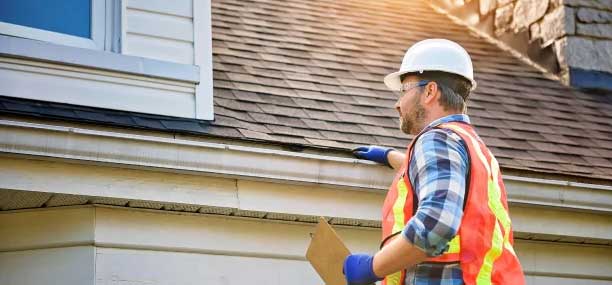
When Mills Roofing performs roof inspections, here’s what we assess:
From the ground:
- Overall roof appearance and condition
- Obvious damage, missing materials, or problems
- Gutter and downspout condition
- Fascia and soffit condition
- Flashing visibility and apparent condition
- Tree proximity and overhang concerns
From the roof surface (when safe):
- Close examination of shingles or roofing material
- Granule loss patterns (for asphalt shingles)
- Cracking, curling, or deterioration
- Proper fastener placement
- Flashing condition around all penetrations
- Valley integrity
- Ridge cap condition
- Vent conditions
- Evidence of previous repairs
- Step flashing at walls
- Chimney condition and flashing
From the attic:
- Underside of roof deck for water stains
- Structural condition of rafters/trusses
- Insulation type, depth, and condition
- Ventilation adequacy
- Evidence of moisture problems
- Proper installation of roof penetrations
Documentation:
- Photos of any concerns
- Written report of findings
- Recommendations for repairs or improvements
- Rough cost estimates for addressing problems
- Timeline recommendations (urgent vs. monitor vs. plan for future)
Professional inspectors see things untrained eyes miss. We’ve inspected thousands of roofs and know what normal aging looks like versus what indicates actual problems. That experience is what you’re paying for—expert assessment of whether what we’re seeing is concerning or expected for your roof’s age and type.
Special Inspection Situations
Beyond routine inspections, certain situations demand immediate professional assessment:
Before and after roof work: If contractors are working on your roof for any reason (HVAC installation, solar panels, satellite dishes), inspect before and after to document that they didn’t damage existing roofing.
After tree impact: Even if a tree or branch didn’t visibly puncture your roof, impact can cause hidden damage. Professional assessment determines if structural damage occurred.
When selling your home: Pre-listing inspection identifies problems you can address before buyers find them. This gives you control over repairs rather than desperate negotiations during escrow.
When buying a home: Independent roof inspection (beyond basic home inspection) is worth the $200-$400 cost for any home with roof older than 10 years. Knowing exact condition and remaining lifespan informs your offer and negotiation strategy.
Insurance requirements: Some insurers require periodic inspection reports for older roofs. If your insurance company requests inspection, get it done promptly—failure to comply can result in coverage limitations or policy cancellation.
After leaks: If you’ve experienced leaks, professional inspection determines cause and extent even after emergency repairs. You need to know if the leak was isolated or indicates broader problems.
When refinancing: Some lenders require roof inspection or certification for refinancing, especially if roof appears aged or problematic. Budget for this in refinance planning.
Documentation and Record-Keeping
Maintain organized records of all inspections:
Create a roof file containing:
- All inspection reports with photos
- Repair invoices and descriptions
- Warranty information
- Installation documentation (if you’ve owned since installation)
- Material specifications and manufacturer data
- Contractor contact information
Why this matters:
- Insurance claims require documentation of maintenance and condition
- Selling your home is easier with documented roof history
- Pattern problems become apparent when you review historical records
- Warranty claims require proof of proper maintenance
- You’ll know exactly when various repairs or improvements occurred
Digital copies (photos on phone/computer, PDFs of reports) plus physical backup create redundancy. You’ll never regret having too much documentation, but you’ll definitely regret having none when you need to file an insurance claim or answer buyer questions.
Cost of Professional Inspections
Investment in regular inspections prevents expensive problems:
Typical costs:
- Basic inspection: $150-$300 for straightforward inspection and written report
- Detailed inspection: $300-$500 if extensive documentation, photos, or detailed report needed
- Often free: Many contractors (including Mills Roofing) provide free inspections when you’re a repair or replacement customer or potential customer
Value proposition: A $200 inspection that catches a $600 repair before it becomes a $4,000 problem has paid for itself 20 times over. Annual inspections over a roof’s 25-year life cost $4,000-$6,000 but potentially prevent $15,000-$30,000 in accelerated deterioration and premature replacement.
When to pay vs. when free works: Free inspections from roofing contractors work fine for most purposes. If you need documentation for insurance, lenders, or legal purposes, paying for formal inspection from an independent certified inspector provides more defensible documentation.
Age-Based Inspection Recommendations
Here’s our recommended inspection schedule based on roof age:
New roof (0-5 years):
- Annual inspection adequate
- Focus on verifying proper installation and performance
- Document any warranty issues while coverage is strong
Young roof (5-15 years):
- Annual inspection adequate
- Monitor for damage from weather events
- Confirm maintenance recommendations are followed
Middle-age roof (15-20 years):
- Twice yearly inspection recommended (spring and fall)
- Watch for signs of approaching end-of-life
- Plan financially for eventual replacement
- Consider repair vs. replacement analysis if problems develop
Aging roof (20-25+ years):
- Twice yearly inspection essential
- High vigilance for developing problems
- Proactive replacement planning
- Understand insurance coverage limitations for aged roofs
Very old roof (25+ years):
- Quarterly visual monitoring
- Professional inspection twice yearly minimum
- Plan replacement—you’re on borrowed time
- Document condition carefully for insurance purposes
What to Do With Inspection Findings
Inspection reports typically categorize findings:
Immediate concerns (address within weeks):
- Active leaks
- Missing or severely damaged materials
- Exposed decking or underlayment
- Structural issues
- Safety hazards
These can’t wait. Schedule repairs immediately to prevent escalating damage.
Near-term needs (address within 6-12 months):
- Deteriorating flashing
- Widespread granule loss
- Multiple damaged shingles
- Ventilation inadequacy
- Moderate wear approaching failure
Plan and budget for these repairs. They’re not emergencies yet but will become emergencies if ignored.
Monitor (recheck at next inspection):
- Minor granule loss (normal aging)
- Single damaged shingle in accessible area
- Slight color variations
- Minor debris accumulation
- Normal wear appropriate for roof age
These don’t require immediate action but should be monitored to ensure they don’t worsen.
Recommendations for improvement:
- Insulation upgrades
- Ventilation improvements
- Gutter additions or modifications
- Tree trimming
- Preventive measures
Consider these based on budget and priorities. They’re not required but would improve performance or longevity.
When inspection says “replace soon”: If professional inspection recommends replacement within 1-3 years, start planning immediately:
- Get multiple quotes
- Research material options
- Arrange financing if needed
- Plan timing for optimal season
- Budget appropriately
Proactive replacement beats emergency replacement every time—better contractors, better timing, better prices, less stress.
Mills Roofing’s Inspection Approach
When you schedule inspection with Mills Roofing, here’s what you get:
Thorough assessment: We examine every aspect of your roof system—not just surface materials but flashing, ventilation, structural condition, and related systems.
Honest reporting: We tell you what we find—good and bad. We don’t exaggerate problems to sell work, and we don’t downplay issues to avoid difficult conversations. You get straight truth.
Clear prioritization: Our reports distinguish between “fix now,” “plan for soon,” and “monitor.” You’ll know what’s urgent versus what can wait.
Cost transparency: We provide rough cost estimates for addressing identified problems so you can budget appropriately.
Educational approach: We explain what we’re seeing and why it matters. You’ll understand your roof, not just receive cryptic technical jargon.
Documentation: Photos and written reports you can keep for records, insurance, or future reference.
No-pressure recommendations: If we think you need repairs or replacement, we’ll say so clearly. But we won’t pressure you. The decision is always yours—we just provide information and expertise.
Our 45-plus years of local experience means we’ve seen every roof type, every problem, and every situation. We know what’s normal aging versus what’s concerning. We know what can wait and what can’t. That knowledge protects homeowners from both unnecessary alarm and dangerous complacency.
When was your last roof inspection? If it’s been more than a year—or if you can’t remember—schedule one now. Contact Mills Roofing for comprehensive roof assessment. We’ll evaluate your roof’s condition, identify any concerns, and provide clear recommendations for keeping your roof in top condition. Our experienced team has been protecting Reno homes for over three decades—let us make sure yours is protected too. Call today or visit our website to schedule your inspection. A couple hundred dollars and an hour of time now can save you thousands later.