When you’re spending $12,000-$20,000 on a new roof, you want every possible benefit. Beyond the obvious—keeping water out and protecting your home—can a new roof actually lower your energy bills? The short answer is yes, but the long answer is more interesting and depends on several factors specific to your situation and Reno’s unique climate. Some roof replacements deliver dramatic energy savings while others provide minimal benefit. Understanding what drives energy performance helps you make choices that maximize savings.
After three decades of roofing in Northern Nevada, Mills Roofing has seen how different materials, colors, installation methods, and accompanying improvements affect energy costs. We’ve also seen plenty of marketing hype about “energy-efficient roofing” that overpromises and underdelivers. Let’s cut through the noise and give you honest information about what actually works, how much you can realistically save, and whether energy-focused roofing choices make financial sense for your specific situation.
How Roofs Affect Energy Costs
Your roof influences your home’s energy consumption in several ways:
Solar heat gain: Roofs absorb solar radiation, and that heat transfers into your attic and living space. In Reno’s summer sun, roof surface temperatures can exceed 150-170°F on dark shingles. All that heat radiates into your attic, raising temperatures and forcing your air conditioning to work harder.
Thermal insulation: The roof assembly (decking, underlayment, roofing material) provides some insulation value, though this is minor compared to attic insulation. Still, certain roofing materials insulate better than others.
Air sealing: Poorly installed or aging roofs develop gaps where conditioned air escapes and outdoor air infiltrates. New, properly installed roofs seal better, reducing this energy loss.
Ventilation impact: Roof design affects attic ventilation effectiveness. Proper ventilation removes heat buildup in summer and moisture in winter, both of which affect energy efficiency and HVAC system performance.
Radiant barrier effects: Some roofing materials or underlayment products include radiant barriers that reflect heat rather than absorbing it. This can significantly reduce attic temperatures.
The cumulative effect of these factors determines your roof’s energy impact. A new roof that addresses all of them provides measurable savings. A new roof that only replaces materials without improving these factors provides minimal energy benefit beyond better air sealing.
Material Choices: What Makes the Biggest Difference
Not all roofing materials perform equally when it comes to energy efficiency:
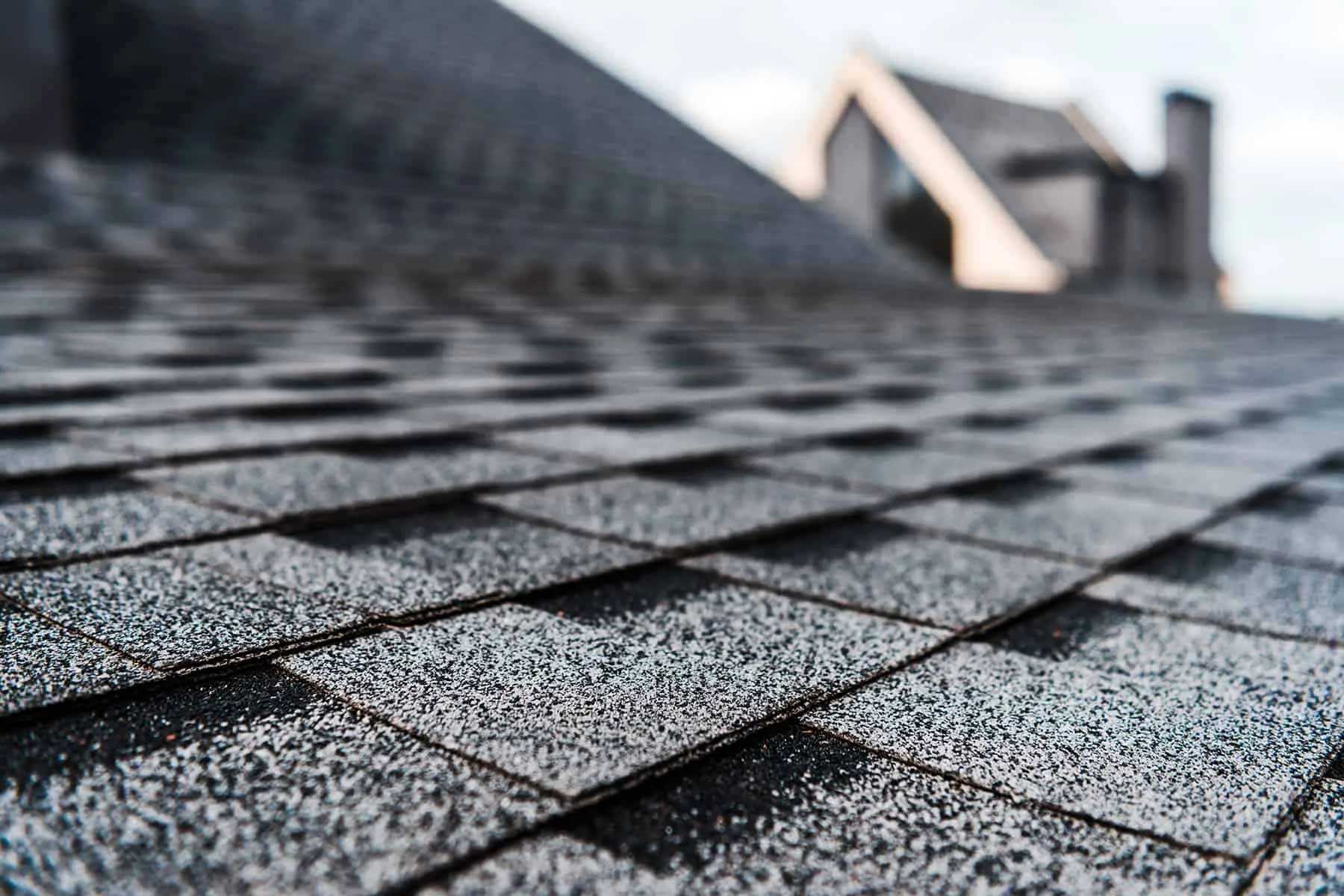
Asphalt Shingles (Standard): Dark-colored asphalt shingles are the worst performers for summer cooling costs. They absorb tremendous heat and transfer it into your attic. If you’re replacing dark shingles with identical dark shingles, expect minimal energy improvement—you’ll get better air sealing and maybe slightly better underlayment, but heat gain remains similar.
Asphalt Shingles (Cool Roof/Reflective): Light-colored or specially coated “cool roof” shingles with high solar reflectance can reduce surface temperatures by 20-30°F compared to dark shingles. This translates to real cooling cost savings—typically 7-15% depending on your home’s insulation and other factors. These shingles cost only marginally more than standard shingles, making them a smart choice for Reno’s climate.
Metal Roofing: Metal roofs reflect solar radiation more effectively than asphalt shingles, especially with reflective coatings. They also re-emit absorbed heat quickly rather than soaking and slowly radiating it. Metal roofing typically reduces cooling costs by 10-25% compared to dark asphalt shingles. The air gap between metal panels and roof deck (in standing seam installations) provides additional insulation benefit. Metal is more expensive upfront but energy savings contribute to long-term value.
Tile Roofing: Clay and concrete tiles have natural thermal mass—they absorb heat slowly and release it slowly. The air space between tiles and roof deck provides insulation value. Tile roofs generally perform well in Reno’s climate, with energy performance similar to or slightly better than cool-roof asphalt shingles. However, weight and cost considerations often outweigh energy benefits.
Cool Roof Coatings: For flat or low-slope roofs, reflective coatings dramatically improve energy performance. White or light-colored coatings can reduce cooling costs by 15-30% compared to dark membranes by reflecting rather than absorbing solar radiation.
The key takeaway: material choice matters, but within each category, color and coatings matter even more. A light-colored asphalt roof outperforms a dark metal roof for energy efficiency, even though metal is generally superior.
Color Makes a Huge Difference
This might be the single most important factor you can control:
Dark colors (blacks, dark browns, dark grays):
- Surface temps: 160-180°F in summer sun
- High heat transfer to attic
- Maximum cooling costs
- Appropriate if aesthetics matter more than energy costs or if you’re in mountain areas where winter heating matters more than summer cooling
Medium colors (medium browns, medium grays, reds):
- Surface temps: 140-160°F
- Moderate heat transfer
- Moderate cooling costs
- Compromise between aesthetics and efficiency
Light colors (light grays, tans, whites):
- Surface temps: 120-140°F
- Low heat transfer
- Lowest cooling costs
- Can look stark on some home styles but perform best
Reflective or “cool roof” products:
- Specially engineered to reflect solar radiation regardless of color
- Can be darker colors with light-color performance
- Typically labeled with Solar Reflectance Index (SRI) ratings
The temperature difference between a dark roof and a light roof—potentially 40-50°F—translates directly to attic temperature differences. Your AC works significantly harder to cool a home with 140°F attic than one with 110°F attic. This isn’t marginal—it’s substantial.
In Reno where summer cooling is a major expense and winter heating is moderate (compared to truly cold climates), light-colored roofs almost always make financial sense unless aesthetics are paramount.
The Critical Role of Attic Insulation and Ventilation
Here’s an uncomfortable truth: roof material and color matter much less than your attic insulation and ventilation. You can install the most energy-efficient roof available, but if your attic has inadequate insulation or poor ventilation, you’ll see minimal savings.
Attic insulation is the priority: Your roof’s job is protecting the structure. Your insulation’s job is controlling heat flow. Even the best roofing material provides minimal insulation value—maybe R-1 to R-3. Your attic insulation should be R-38 to R-49 (10-16 inches), providing the real thermal barrier. If your current insulation is inadequate (many older Reno homes have only R-19 or less), adding insulation delivers far more energy savings than any roofing material choice.
Ventilation prevents heat buildup: Proper ventilation allows hot air to escape your attic rather than radiating into living spaces. Ridge vents with soffit intake create continuous airflow that maintains attic temperatures much closer to outdoor temps. This reduces cooling loads significantly.
The combination is where magic happens: A cool roof material PLUS adequate insulation PLUS proper ventilation creates a system where:
- Less heat is absorbed (cool roof)
- Heat that does reach the attic escapes (ventilation)
- Heat that remains doesn’t transfer to living space (insulation)
This combination can reduce cooling costs by 20-40% compared to a hot dark roof with poor insulation and inadequate ventilation. But cherry-picking one element (like new roof material) without addressing the others delivers only a fraction of potential savings.
Mills Roofing always evaluates attic insulation and ventilation during roof replacement projects. When we find inadequate insulation or ventilation, we discuss upgrades. Spending an extra $2,000-$4,000 on attic improvements alongside your roof replacement can deliver $400-$800 annual energy savings—paying for itself in just a few years while making your home more comfortable.
Realistic Energy Savings: Setting Expectations
Let’s talk real numbers for typical Reno homes:
Scenario 1: Replacing dark asphalt with dark asphalt (material-only upgrade)
- New roof advantage: Better air sealing, modern underlayment
- Expected cooling cost reduction: 3-7%
- Annual savings: $50-$150 (assuming $2,000 annual cooling costs)
- Payback period: Never, strictly from energy savings (but you needed the roof anyway)
Scenario 2: Replacing dark asphalt with light-colored cool roof shingles
- New roof advantages: Heat reflection, air sealing, modern underlayment
- Expected cooling cost reduction: 10-18%
- Annual savings: $200-$360
- Additional cost over dark shingles: $300-$800
- Payback period: 2-4 years, then ongoing savings
Scenario 3: Replacing dark asphalt with metal roofing
- New roof advantages: Superior heat reflection, air gap, air sealing, durability
- Expected cooling cost reduction: 15-25%
- Annual savings: $300-$500
- Additional cost over asphalt: $8,000-$12,000
- Payback period: 16-40 years from energy savings alone (but longevity and other benefits justify cost)
Scenario 4: Roof replacement PLUS attic insulation upgrade PLUS ventilation improvement
- Combined advantages: Comprehensive heat management system
- Expected cooling cost reduction: 25-45%
- Expected heating cost reduction: 15-25%
- Annual savings: $600-$1,100
- Additional cost over basic roof replacement: $3,000-$6,000
- Payback period: 3-8 years, then ongoing substantial savings
The lesson: comprehensive approaches deliver the best results. Material and color choices matter, but addressing insulation and ventilation maximizes benefits.
Heating Season Considerations
Reno isn’t just about summer cooling—winter heating costs matter too:
Dark roofs can help slightly in winter: Heat absorption in winter means slightly less heating required. However, this benefit is minor because:
- Winter sun angle is lower, reducing roof exposure
- Insulation effectiveness matters far more than heat gain
- Days are shorter, providing fewer hours of solar gain
The trade-off usually favors cool roofs: Annual energy costs in Reno are typically weighted 60-70% toward cooling and 30-40% toward heating. The summer savings from cool roofs generally exceed any minor winter heating penalty. Plus, proper insulation helps with both—reducing heat loss in winter and heat gain in summer.
Best of both worlds: Metal roofing with proper insulation provides good performance year-round. The reflective properties help in summer, while the attic insulation prevents heat loss in winter. This combination optimizes for Reno’s climate.
Additional Energy-Related Benefits
Beyond direct utility bill savings, energy-efficient roofing provides other advantages:
HVAC longevity: When your AC doesn’t have to work as hard fighting heat gain, it runs less, cycles less frequently, and lasts longer. This can extend HVAC lifespan by years, delaying a major replacement expense.
Improved comfort: Reducing attic heat reduces ceiling temperature, making rooms more comfortable even at the same thermostat setting. Second floors become less miserable in summer.
Reduced demand charges: Some utility rate structures include demand charges based on peak usage. Reducing cooling load during hottest parts of the day can lower these charges.
Environmental impact: Lower energy consumption means reduced carbon footprint. If environmental stewardship matters to you, energy-efficient roofing is a tangible way to reduce impact.
Potential rebates and incentives: Nevada utility companies and tax incentives occasionally offer rebates for energy-efficient improvements. Cool roofs, increased insulation, and efficient ventilation sometimes qualify. Check current programs—these change regularly.
When Energy Efficiency Should Drive Your Decision
Energy savings should be a primary decision factor if:
You have high cooling costs: If your summer electric bills routinely exceed $300-$400, energy-efficient roofing will deliver meaningful savings. Review past utility bills to understand your baseline.
You’re staying long-term: Energy savings accumulate over years. If you’re staying 10+ years, those savings add up significantly. If selling in 2-3 years, you won’t recoup energy-focused investments through savings (though they help resale value).
Your attic insulation is inadequate: If inspection reveals poor insulation (common in older homes), combining roof replacement with insulation upgrades makes financial sense. The roof scaffolding is already there, making it efficient to do both together.
You’re in a hot microclimate: Some Reno neighborhoods run hotter than others due to elevation, exposure, or urban heat island effects. If your area consistently sees 95°F+ summer days, cooling cost reduction matters more.
You have inadequate HVAC capacity: If your AC struggles to keep up on hot days, reducing cooling load through reflective roofing and better insulation can restore comfortable temperatures without expensive HVAC replacement.
When Energy Efficiency Shouldn’t Drive Your Decision
Conversely, energy savings shouldn’t be the primary factor if:
You’re in mountain/foothill areas: Higher elevations with cooler summers benefit less from cool roofs. At 6,500 feet near Tahoe, summer cooling costs are minimal—winter performance matters more. Dark roofs that absorb winter sun make more sense.
Aesthetics matter more: If you’re in a historic district or your home’s style demands specific roofing appearance, prioritize aesthetics. The energy cost difference, while real, isn’t worth ruining your home’s character.
Your attic is already well-insulated: If you have R-40+ insulation and proper ventilation, roofing material choice has less impact. Your attic is already handling heat management well.
Cooling costs are already low: If summer bills are under $150, there’s not much to save. A 20% reduction of $150 is only $30—not enough to justify expensive material choices.
Calculating Your Potential Savings
Want to estimate your specific savings? Here’s how:
Step 1: Establish baseline Review 2-3 years of summer cooling costs (June-August bills). Average them to get annual cooling expense.
Step 2: Estimate current roof impact Dark roofs on homes with poor insulation contribute significantly to cooling costs—potentially 40-50% of total. Light roofs with good insulation contribute only 15-25%.
Step 3: Estimate improvement potential Based on scenarios above:
- Material-only upgrade: 3-7% savings
- Cool roof material: 10-18% savings
- Premium material (metal): 15-25% savings
- Comprehensive (roof + insulation + ventilation): 25-45% savings
Step 4: Calculate dollar savings Multiply your baseline cooling costs by the percentage improvement. This is your annual savings estimate.
Step 5: Consider payback Divide the additional cost of energy-efficient options by annual savings to determine payback period.
Example:
- Annual cooling costs: $2,400
- Upgrading from dark asphalt to light cool-roof shingles
- Expected savings: 12% = $288/year
- Additional cost: $500
- Payback: 1.7 years
After less than two years, you’re saving $288 annually for the life of the roof (20-30 years). That’s $5,760-$8,640 in total savings over the roof’s life—well worth a $500 investment.
What Mills Roofing Recommends
Based on 45-plus years in Reno’s climate, here’s our advice:
For most Reno homes: Choose light-colored or cool roof materials. The modest additional cost (if any) pays back quickly in cooling savings. This is the easiest, most cost-effective energy improvement you can make during roof replacement.
For comprehensive savings: Combine roof replacement with attic insulation and ventilation upgrades. This delivers maximum energy savings and comfort improvement. Yes, it costs more upfront, but payback is typically 3-7 years, then you’re saving hundreds annually.
For premium performance: Consider metal roofing with proper attic insulation. The combination delivers exceptional energy performance, longevity, and low maintenance. Higher upfront cost but excellent long-term value if you’re staying in the home.
For mountain/foothill homes: Prioritize insulation and ventilation over cool roof materials. At higher elevations, attic insulation matters more than roof color.
Always assess comprehensively: We inspect attic insulation and ventilation during every roof consultation. If we find inadequate insulation (and we often do in older homes), we’ll discuss upgrades. You don’t have to do everything at once, but you should understand your options and prioritize improvements that deliver best return.
Energy-efficient roofing isn’t just marketing hype—when done right, it delivers real, measurable savings. But “done right” means thinking systemically about your whole roof assembly, not just choosing fancy shingles. That’s where experience matters. Our trained crews understand building science, not just how to nail shingles. We design roof systems that perform well, not just look good.
Ready to discuss energy-efficient roofing options for your Reno home? Contact Mills Roofing for a comprehensive assessment. We’ll evaluate your current roof and attic, explain your energy efficiency opportunities, and provide detailed estimates for various approaches from basic replacement to comprehensive energy upgrades. Our 45-plus years of local experience means we understand what actually works in Northern Nevada’s climate. Call today or visit our website to schedule your free consultation. Lower energy bills start with the right roof—let’s make sure yours is working for you, not against you.