Mills Roofing has been keeping local families safe and warm since 1987, and every year we hear the same question: Is my roof really ready for what winter brings? Getting your roof ready before winter is a smart move any homeowner can make. A little attention now can save you from leaks, ice dams, and costly repairs once the temperature drops. This checklist walks through what to inspect, what to fix, and when to call in a professional so your home stays protected all season long.
What to Check on Your Roof Before Winter
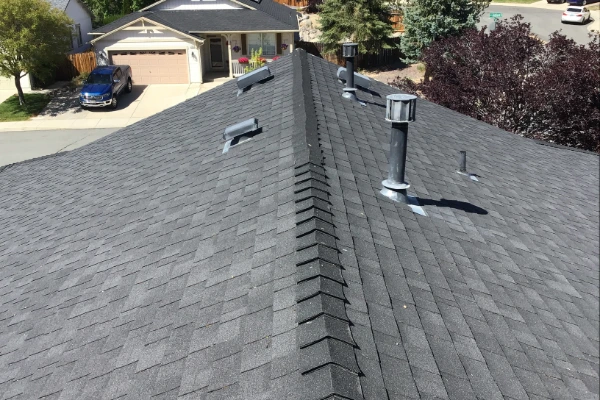
A winter roof checklist should start at the top and work down. Look for missing, cracked, or curling asphalt roof shingles, since these are often the first sign of trouble. Check flashing around chimneys, vents, and skylights for gaps or rust. Inspect the attic to look for daylight coming through the roof deck, damp insulation, or musty odors. Walk the perimeter of your home and look at the gutters, downspouts, and fascia boards. Roof maintenance before winter is not just about appearance. It is about catching small issues before snow and ice turn them into expensive problems.
Roof Flashing Inspection
Flashing is the metal barrier installed at every point where your roof meets a chimney, wall, or vent, closing off the gaps water would otherwise find its way through. A roof flashing inspection should confirm that the metal is tightly sealed and free of rust or cracks. Loose flashing is one of the most common causes of winter leaks because melting snow finds its way through even the smallest gap. If flashing looks worn or pulled away from the surface, have it repaired before the first snowfall.
How Do I Know If My Roof Is Ready for Winter
A roof is ready for winter when the shingles are intact, the attic is properly insulated and vented, the gutters are clear, and there are no visible leaks or soft spots. A winter roof inspection performed by a trained professional gives homeowners real peace of mind. Mills Roofing offers detailed inspections that check every part of the system, from the ridge line down to the gutters, so you know exactly where your home stands before the cold arrives.
How Long Does a Winter Roof Inspection Take
Most winter roof inspections take between 30 minutes and an hour, depending on the roof’s size and complexity. Our team checks shingles, flashing, ventilation, and attic insulation during the visit. If any concerns come up, we walk homeowners through the findings and outline clear next steps, so there is never any guesswork involved.
Signs Your Roof Needs Repair
Some signs you need a roof repair are easy to spot, while others hide in the attic or along the roofline. Watch for granules collecting in gutters, shingles that look bald or discolored, sagging areas, or water stains on ceilings. Daylight visible through the attic roof boards is a serious warning sign. Ignoring these signs before winter often leads to bigger problems once snow and ice settle in. Catching them early keeps small repairs from becoming full roof replacements.
Understanding Ice Dams
Ice dams are one of the primary threats to roofs during a cold season, and understanding how they form is the first step toward stopping them.
What Causes Ice Dams to Form
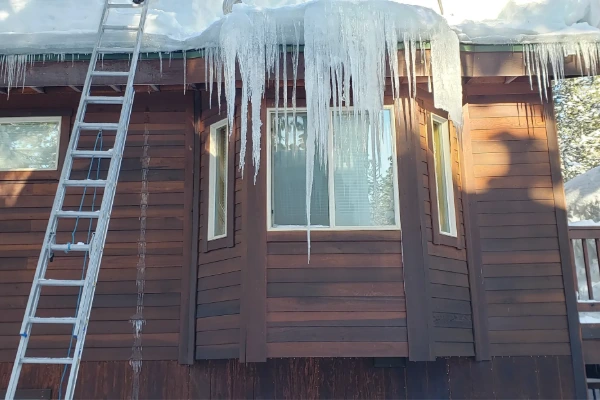
When heat escapes from the attic and warms the roof deck unevenly, ice dams form. Snow melts near the warmer sections, runs down toward the colder eaves, and refreezes into a ridge of ice. That ridge blocks water from draining properly, so it backs up under the shingles and into the home. Attic insulation and ice dams are closely connected, since poor insulation is often the root cause of this uneven heating pattern.
How Do I Prevent Ice Dams Before It Snows
Ice dam prevention starts with attic insulation and ventilation. Sealing air leaks between the living space and the attic keeps warm air where it belongs. Adding proper insulation and improving airflow through soffit and ridge vents helps maintain a consistent roof temperature. Clearing gutters and downspouts before the first snow also supports proper drainage, reducing the risk of standing water and ice buildup along the eaves.
Ice Dam Removal
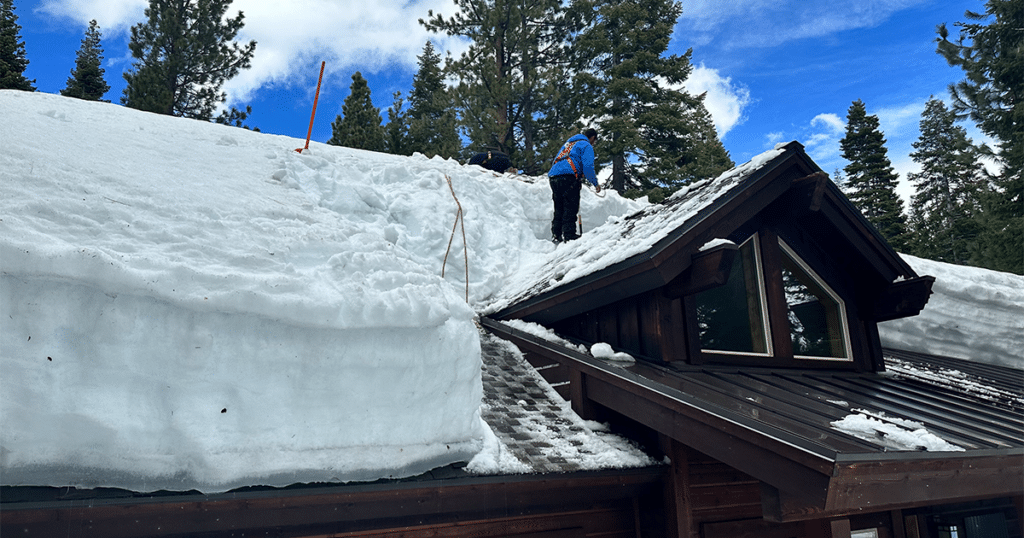
When ice dams do form, safe ice dam removal matters. Homeowners should avoid chipping at ice with sharp tools, since this can damage shingles and create new leak points. Calcium chloride ice melt products applied in a stocking or sock can help create channels for water to drain. For larger dams, professional ice and snow removal from roof surfaces is the safest option, especially on steep or multi-story homes.
Does Poor Attic Insulation Cause Ice Dams
Yes, poor attic insulation is one of the leading causes of ice dams. When heat escapes freely into the attic, it warms the underside of the roof deck unevenly, which accelerates the melt-and-refreeze cycle. Homes with well-insulated attics tend to have far fewer ice-dam problems because the roof surface stays closer to the outside temperature. A qualified inspector can measure insulation levels and recommend upgrades where needed.
Roof Ventilation Problems
Roof ventilation problems often go hand in hand with insulation issues. Blocked soffit vents, damaged ridge vents, or insufficient airflow trap heat and moisture in the attic. This trapped heat contributes to ice dams in winter and can lead to mold or wood rot year-round. A balanced ventilation system pulls cool air in through the soffits and pushes warm, moist air out through the ridge, keeping the attic and roof deck at a stable temperature.
Should I Clean My Gutters Before Winter
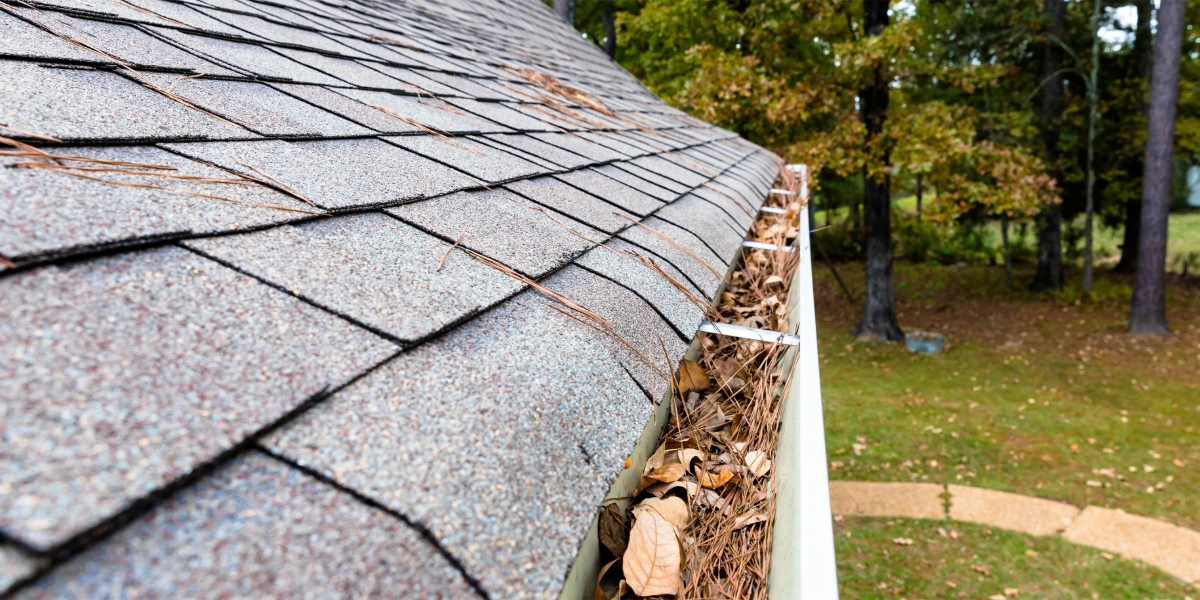
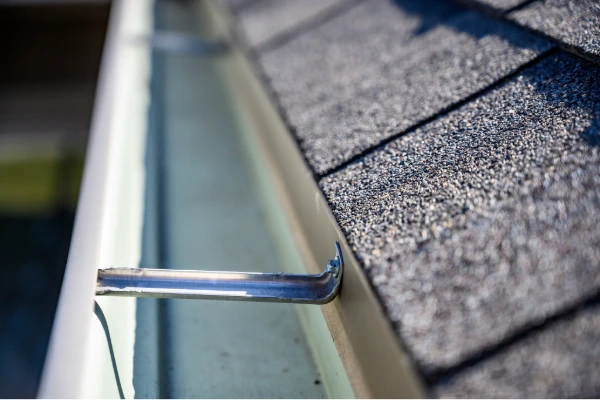
Gutter cleaning before winter is one of the simplest and most effective steps a homeowner can take. Clogged gutters trap water that can freeze, expand, and pull the gutters away from the roofline. Blocked downspouts also send water back toward the eaves instead of away from the foundation. Clearing leaves, twigs, and debris before the first freeze keeps water moving where it should, helping prevent ice dams from developing along the edge of the roof.
How Much Snow Weight Can a Roof Safely Hold
Roof snow load varies with the roof’s design, age, and building materials, but most residential roofs are designed to handle about 20 pounds of snow per square foot. Wet, heavy snow weighs far more than light, powdery snow, so a few inches of wet snow can add weight quickly. Sagging rafters, cracking or popping sounds, and doors or windows that suddenly stick are signs your roof needs to be looked at without delay. A snow monitoring for roofs membership can give ongoing peace of mind through the heaviest parts of the season.
Winter Roof Damage and Leak Prevention
Winter roof damage often comes from a combination of ice, wind, and temperature swings. Shingles can crack in extreme cold, and ice dams can force water beneath the roofing material. Roof leak prevention starts with the steps outlined above: clean gutters, sound flashing, solid insulation, and proper ventilation. Catching minor wear before winter arrives is far less costly than dealing with interior water damage once the season is in full swing.
Is Fall or Early Winter the Best Time for a Roof Inspection?
Fall roof maintenance is generally the ideal window for an inspection, since temperatures are still mild and repairs can be made without weather delays. Scheduling a winter roof inspection in October or November gives contractors time to address issues before snow and ice make the job more difficult. Waiting until the first storm hits often leads to longer wait times and more urgent repairs.
Can a Roof Be Repaired in Cold Weather?
Yes, roof repairs can be completed in cold weather, though certain materials and techniques work better in specific temperature ranges. Asphalt shingle roof repairs may require extra care in freezing conditions since shingles can become less flexible. Experienced roofing crews know how to adjust their approach for winter work, including using proper sealants and handling materials carefully to avoid cracking. Emergency repairs, such as ice and snow removal from roof surfaces or addressing active leaks, should never be delayed until warmer weather.
Winterize Your Home With a Trusted Local Team
Winterizing your home goes beyond the roof, but the roof is where most of the protection starts. A well-maintained asphalt shingle roof or metal roof, paired with proper insulation and ventilation, sets the foundation for a warm, dry winter. Mills Roofing has spent decades helping homeowners across the region prepare their homes for the cold months ahead, with the technical know-how and detailed inspections needed to catch problems early.
Your Winter Roof Checklist Recap
Before winter settles in, homeowners should check shingles for damage, inspect flashing around chimneys and vents, clear gutters and downspouts, confirm attic insulation and ventilation are performing well, and watch for early signs your roof needs repair. Taking care of these steps now means fewer surprises later, whether that is an ice dam, a leak, or an unexpected roof snow load.
Mills is ready to help homeowners get every part of this checklist done right. As the region’s premier residential roofing expert, our team offers the inspections, repairs, and guidance your roof needs to perform through every storm. Contact Mills Roofing today to schedule a winter roof inspection to get your home ready for the season ahead.