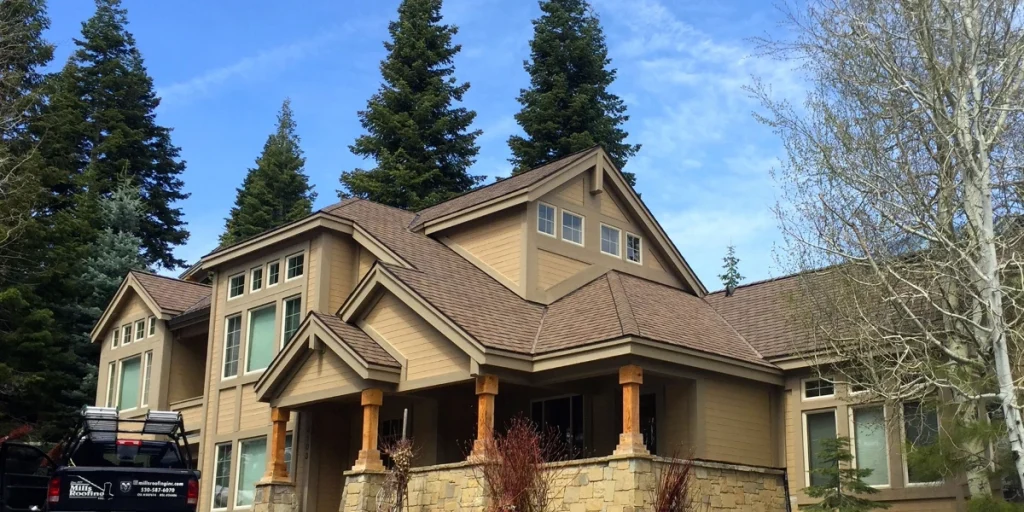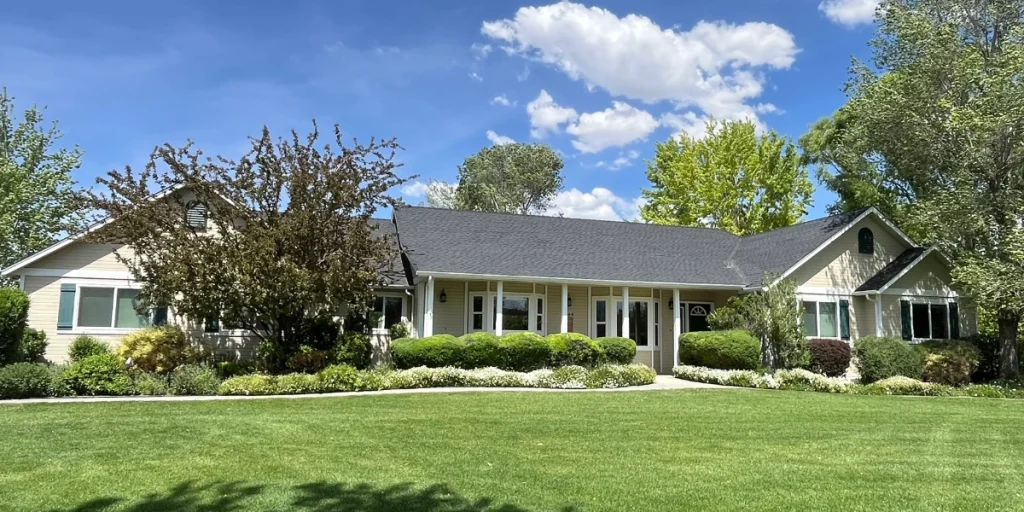
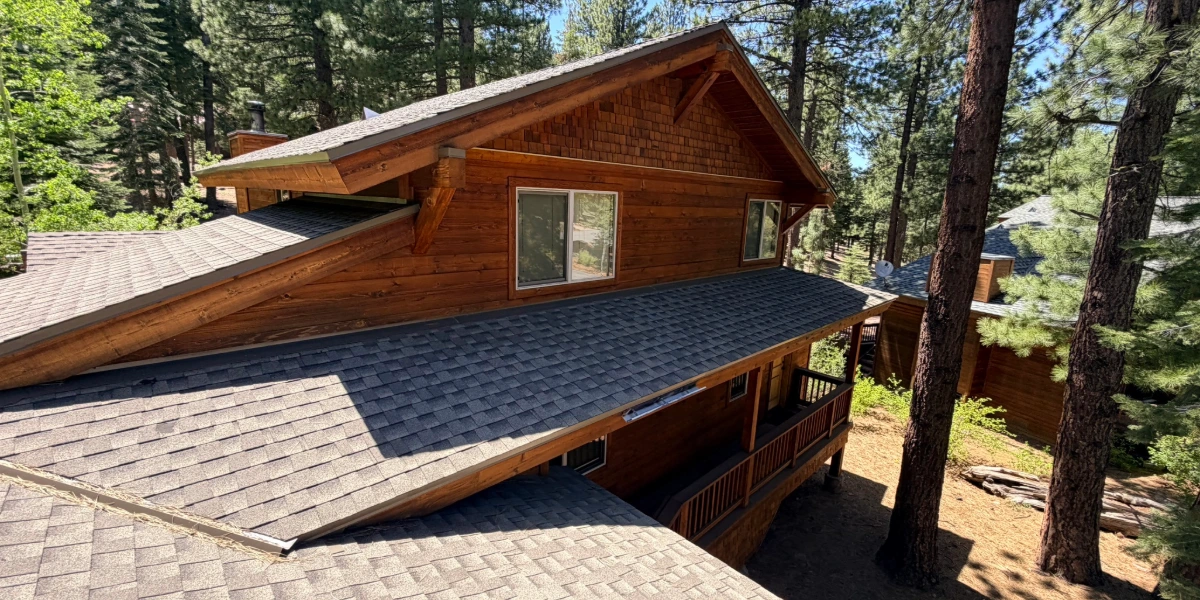
A roof in the Sierra Nevada works harder than almost anywhere else in the country. Mills Roofing has been family-owned since 1979, watching heavy snow, sharp freeze-thaw cycles, and intense mountain sun wear down even sturdy asphalt shingles or metal roofs across Reno, Sparks, Carson City, and the Tahoe-Truckee region. A roofing maintenance checklist built around the seasons isn’t a luxury here; it’s the difference between a roof that fails during the first big storm of the year and one that protects your investment for decades.
This guide walks through what to check each season, how to spot trouble early, and when it’s worth bringing in a professional. Whether you live in your home year-round or only visit a second property in the summer, a documented, itemized maintenance history is what protects your roof’s value and gives you a clear paper trail if you’re not on-site to watch it yourself. Let’s start with how often a roof in this climate actually needs a look.
How Often Should You Inspect Your Roof in a Mountain Climate?
In milder climates, many homeowners schedule one professional roof maintenance inspection each year. Homes in the Sierra Nevada face a tougher standard, since heavy snow accumulation, ice, and rapid temperature swings put more stress on shingles, flashing, and seams than a typical valley home ever sees. A good rule of thumb is two inspections a year: one in spring, after the snow melts, and one in fall, before the first storm arrives.
Homes near heavy tree cover, older roofs, or properties that had a rough winter should add a mid-season check. Catching a lifted shingle in October is far less costly than dealing with water damage in January. For homeowners who split time between properties or aren’t able to check in person, ask your roofer for a written inspection report with photos attached to each visit — it’s the kind of documentation that lets you verify the work without having to be there.
Spring Roof Inspection: What to Check After the Snow Melts
Spring is the first real chance to see what winter did to a roof. Once the snow clears, walk the perimeter of the home and look for granules collecting in gutters. Excessive granule accumulation, especially on an older roof, may indicate accelerated shingle wear. Check for missing, cracked, or curled shingles, and look for gaps in the flashing around chimneys, vents, and skylights that formed as the roof expanded and contracted with the cold.
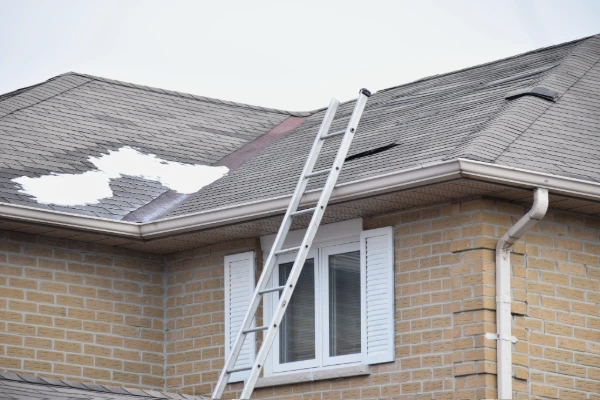
Inside the attic, look for damp insulation, water stains, or daylight coming through the roof deck. These are early warnings that a leak formed during winter and hasn’t shown up inside the home yet. A thorough spring inspection sets the tone for the rest of the year — and a photo-documented one gives you a record to compare against next spring.
Fall Roof Maintenance: Preparing for Winter
Fall maintenance is about getting ahead of the season, not reacting to it. Clear off leaves and debris that built up over the summer, trim back branches hanging over the roofline, and check the seals around vents and chimneys before the first freeze locks everything in place.
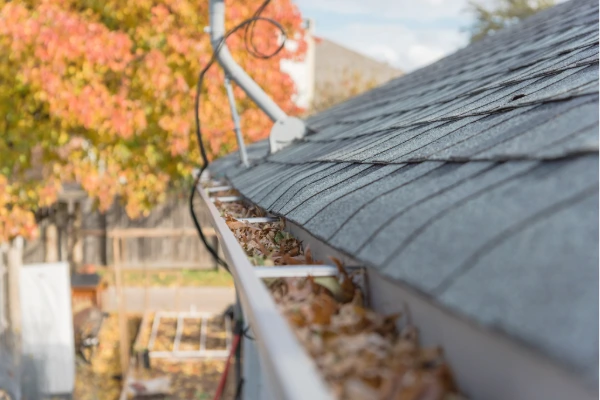
This is also the time to schedule a professional inspection if it’s been a while. A trained eye can spot wear that’s easy to miss from the ground, especially on older asphalt shingle or metal roofing. If a loud, all-day crew on the roof would disrupt a workday at home, ask about scheduling options. A predictable timeline matters as much as the work itself. Fixing a small issue in October is faster and cheaper than fixing an emergency in January.
How to Know if Your Roof Needs Repair Before Winter Comes
A few signs point to roof trouble before the snow flies. Shingles that look cracked, curled at the edges, or bald in spots have lost their protection. Dark streaks or stains on ceilings often mean water is already getting through. Sagging areas on the roofline, rusted flashing, or gutters pulling away from the fascia all deserve a second look. Any of these, especially more than one at once, is worth a professional opinion before winter arrives.
Winter Roof Preparation
Winter roof preparation in the Sierra Nevada means getting the roof, gutters, and attic ready before the first real storm locks everything in place for months. Clear gutters and downspouts so melting snow has somewhere to go, trim branches that could snap under snow load, and confirm flashing and seals are holding up before they’re buried until spring. This is also the point where a homeowner should already know how their roof handles heavy snow, since there’s little room to fix a weak spot once winter settles in, and even less room if you’re not there to notice it.
How Ice Dams Form and How to Prevent Them
One of the biggest threats to a Sierra Nevada roof once the snow arrives is the ice dam. Ice dams start with warm air leaking into the attic from the living space below. That warmth melts snow on the upper roof, and the meltwater runs down until it hits the unheated eave, where it refreezes. Layer by layer, that ice builds into a dam that pushes water back under the shingles and into the home.
Ice dam prevention comes down to attic insulation and ventilation, not the roof surface itself. Sealing gaps around lights, pipes, and vents keeps warm air where it belongs, while sufficient airflow at the eaves keeps the whole roof deck at a consistent temperature, so snow melts evenly rather than pooling and refreezing at the edges.
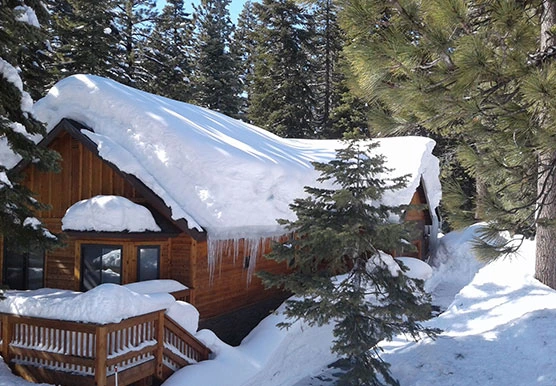
Is It Safe to Remove Snow From Your Roof Yourself?
Removing a light layer of snow from the ground with a roof rake is usually fine. Climbing onto a snow-covered roof is a different story. Ice, poor footing, and hidden weak spots make it one of the more dangerous home maintenance jobs a person can attempt. Heavy snow loads, steep pitches, or a roof already showing signs of stress should be left to a professional.
This is exactly the gap a snow monitoring membership is built to close: a trained set of eyes checking your roof through the heaviest part of the season and reporting back, whether you’re down the street or hours away at another property.
Gutter Maintenance for Roofs
Clogged gutters cause more roof damage than most homeowners expect. When leaves and debris block the flow of water, it has nowhere to go but back up under the shingles or over the edge and down the siding. That backed-up water is also a major contributor to ice dams, since it sits at the eaves and freezes solid.
Gutter maintenance should be done at least twice a year, in late fall and again in spring. Look for sagging sections, loose brackets, and downspouts that direct water away from the foundation. Seamless gutters are worth considering, since they have fewer joints where debris and ice tend to collect.
Attic Ventilation and Insulation
A roof’s performance depends as much on what’s underneath it as what’s on top. Attic ventilation and insulation control the temperature of the roof deck, which affects everything from ice dam formation to shingle lifespan. Without enough insulation, heat rises into the attic and warms the roof unevenly. Without enough ventilation, that warm air and moisture have nowhere to go.
Signs of a problem include ice buildup at the eaves, frost or moisture in the attic, and higher-than-expected heating bills. The right insulation depth, paired with a balanced intake-and-exhaust vent system, keeps the whole roof working as one unit rather than fighting itself.
Moss and Algae Removal
Shaded, north-facing roof sections in the mountains tend to retain moisture longer, creating ideal conditions for moss and algae. Left alone, moss can lift shingle edges and trap water against the roof surface, speeding up wear in ways that are easy to miss from the ground.
Moss and algae removal should be done with a soft-wash approach rather than a pressure washer, which can strip away protective granules and shorten a shingle’s lifespan. Trimming back overhanging branches to let more sunlight and airflow reach the roof helps prevent regrowth.
What Is Roof Maxx, and How Often Does It Need Reapplication?
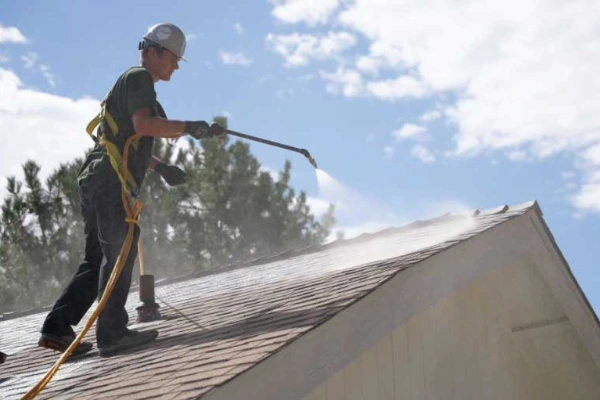
Roof Maxx is a plant-based treatment that restores flexibility to aging asphalt shingles, extending your roof’s lifespan without the cost of a full replacement. It works by rehydrating the oils in the shingles that dry out over time from sun and temperature swings, exactly the kind of wear a Sierra Nevada roof experiences every year.
A Roof Maxx application typically needs to be reapplied every five years to keep shingles flexible and performing well. For homeowners who aren’t ready for a full replacement but want to protect a long-term investment, it’s a straightforward way to add years of life to a roof that’s otherwise in decent shape.
Caring for a Seasonal or Vacant Cabin Roof
Cabins that sit empty for part of the year face a unique challenge: nobody is around to notice a problem until real damage has happened. Before closing up a cabin for the season, check the roof, clear the gutters, and confirm the attic is properly ventilated and insulated so heat loss doesn’t create ice dams while no one is watching.
A snow monitoring membership is worth considering for vacant properties, since it means someone is watching heavy snow accumulation and ice buildup throughout the winter, with a status report on your behalf, even when you aren’t there. A quick check in early spring, before the first visit of the season, catches anything that needs attention before it grows into a bigger repair.
A Year-Round Roof Maintenance Checklist
Bringing it all together, a simple roofing maintenance checklist for the Sierra Nevada looks like this: inspect the roof in spring and fall, clean gutters twice a year, trim overhanging branches, check attic insulation and ventilation annually, watch for moss or algae on shaded sections, and schedule a professional look before the first snow of the season.
This kind of year-round schedule catches small issues while they’re still cheap to fix and protects the home’s long-term value, since a well-maintained roof is one of the first things buyers and appraisers notice.
Mills Roofing has been family-owned in the Reno-Tahoe-Truckee region since 1979. That history comes with credentials: Owens Corning Platinum Preferred status (held by the top 1% of roofing contractors nationally), the #1 Roof Maxx dealer designation in the United States, a 4.9-star rating, and licensing in both Nevada (#24406) and California (#507614). Every inspection comes with a written, photo-documented report, and service is available in Spanish and Vietnamese for homeowners throughout the area. Contact Mills Roofing to schedule an inspection and put a documented maintenance plan in place for your roof year-round.